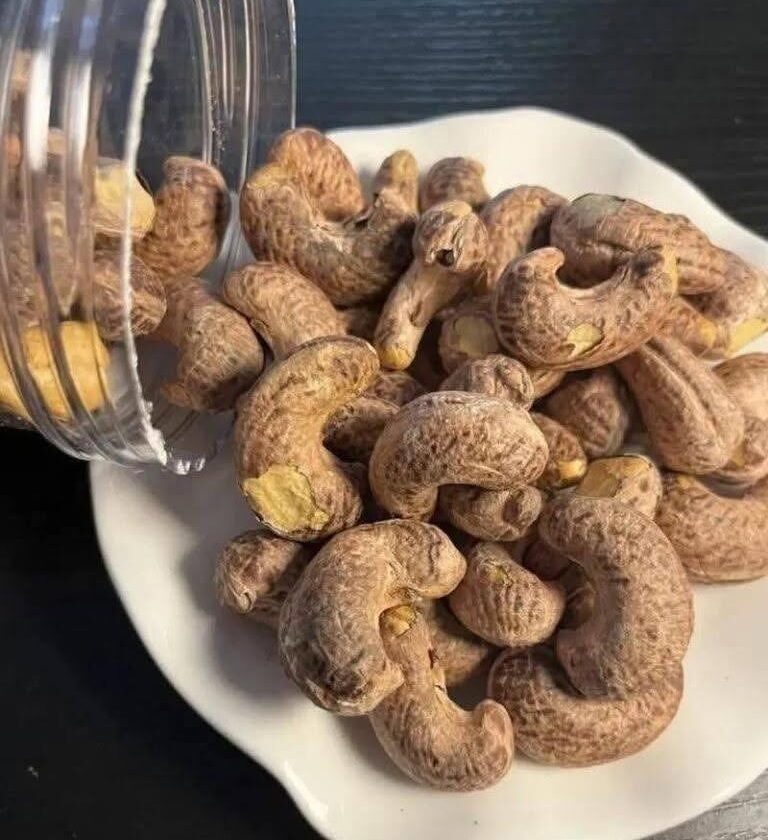
The headline “Doctors reveal that eating cashews causes…” is incomplete and is typically used as clickbait. There is no single effect that eating cashews causes in everyone. For most people, cashews are a nutritious food when eaten in moderation.
Potential health benefits of cashews
Cashews are a good source of:
- Healthy unsaturated fats
- Protein
- Fiber
- Magnesium, which supports muscle and nerve function
- Copper, important for energy production and connective tissue
- Zinc and iron
Regularly including nuts like cashews in a balanced diet has been associated with better heart health.
Possible downsides
Cashews may not be suitable for everyone:
- Nut allergy: People with a tree nut allergy may have a serious allergic reaction to cashews.
- High in calories: A typical serving (about 28 g or 1 ounce) contains around 150–170 calories, so large portions can contribute to weight gain if they lead to excess calorie intake.
- Salted varieties: Roasted, salted cashews can be high in sodium, which some people need to limit, especially if they have high blood pressure.
- Kidney concerns: Cashews contain oxalates, but for most people they are not a problem. People with certain types of kidney stones or advanced kidney disease may need individualized dietary advice.
Common myths
There is no good evidence that eating cashews:
- Is harmful simply because of age.
- Causes high cholesterol (unsalted cashews are relatively low in saturated fat).
- Causes diabetes.
- Is toxic when purchased as commercially prepared food. (Raw cashews sold in stores have been processed to remove naturally occurring irritants.)
Bottom line
For most healthy adults, cashews are a nutritious snack when eaten in moderate portions as part of a balanced diet. The main exceptions are people with tree nut allergies or certain medical conditions that require specific dietary restrictions.