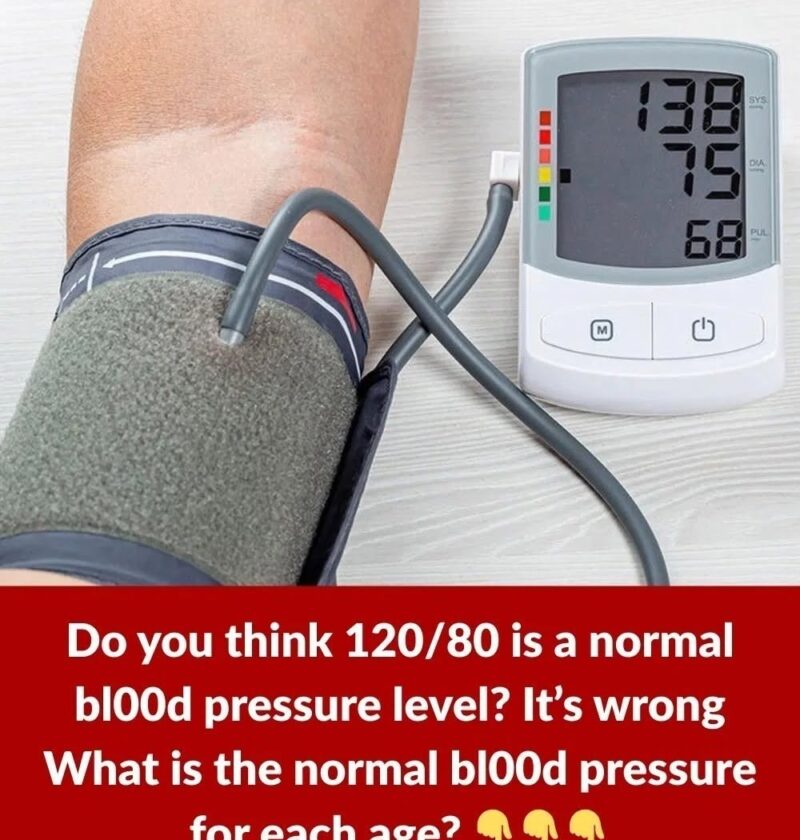
There is a common myth that “normal blood pressure changes with age.” In reality, the target for healthy blood pressure is generally the same for most adults, regardless of age, although treatment decisions may vary based on a person’s overall health.
Blood pressure categories for adults (18 years and older)
| Category | Systolic (top number) | Diastolic (bottom number) |
|---|---|---|
| Normal | Less than 120 | and less than 80 |
| Elevated | 120–129 | and less than 80 |
| High blood pressure (Stage 1) | 130–139 | or 80–89 |
| High blood pressure (Stage 2) | 140 or higher | or 90 or higher |
| Hypertensive crisis | 180 or higher | and/or 120 or higher (seek immediate medical evaluation) |
Typical blood pressure by age
Although the definition of normal doesn’t change, average blood pressure tends to increase with age.
| Age | Healthy target (general) |
|---|---|
| 18–39 years | Less than 120/80 mmHg |
| 40–59 years | Less than 120/80 mmHg |
| 60 years and older | Less than 120/80 mmHg, if it can be achieved safely |
Older adults may have individualized blood pressure goals depending on factors such as frailty, medications, kidney disease, diabetes, or heart disease.
Tips for maintaining healthy blood pressure
- Eat a diet rich in fruits, vegetables, and whole grains.
- Limit salt (sodium) intake.
- Exercise regularly.
- Maintain a healthy weight.
- Avoid smoking.
- Limit alcohol.
- Take prescribed blood pressure medications as directed.
When to seek medical care
- 180/120 mmHg or higher, especially with symptoms such as chest pain, shortness of breath, severe headache, vision changes, or confusion, requires immediate medical evaluation.
- If your blood pressure is consistently 130/80 mmHg or higher, arrange an appointment with your healthcare provider to discuss evaluation and management.
Bottom line: For most adults, regardless of age, a blood pressure below 120/80 mmHg is considered normal. Age may influence treatment goals, but it does not redefine what is considered healthy blood pressure.