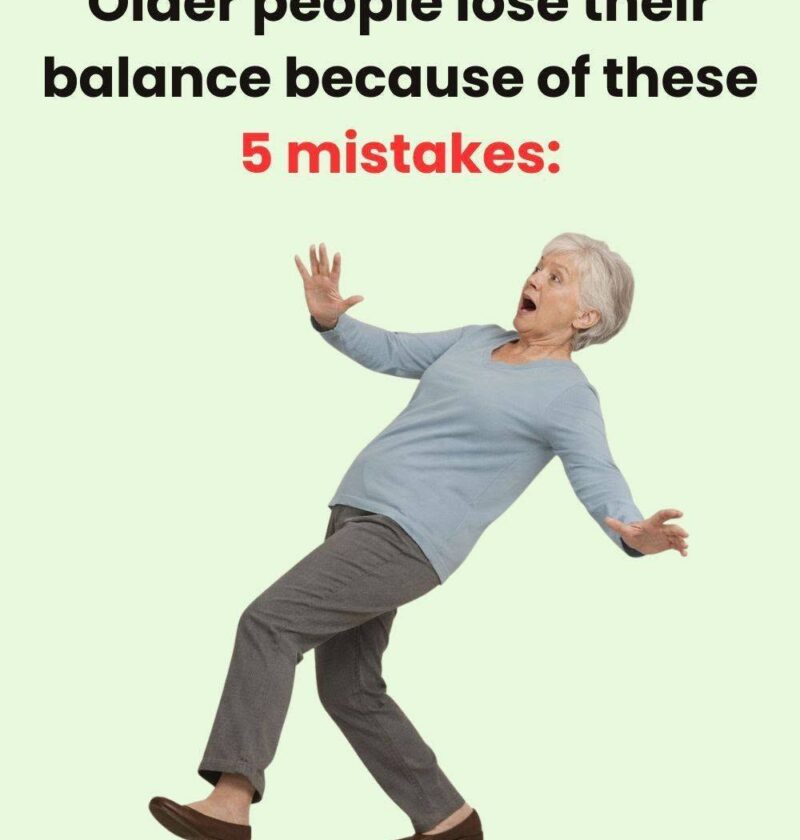
Common mistakes that can affect balance in older adults include:
- Being physically inactive
Long periods of sitting or reduced activity can weaken muscles and decrease coordination, making falls more likely. - Ignoring strength and balance exercises
Not practicing activities that improve leg strength, flexibility, and balance can lead to reduced stability. - Wearing inappropriate footwear
Shoes with slippery soles, high heels, poor support, or loose-fitting slippers can increase the risk of losing balance. - Not addressing vision or hearing problems
Changes in vision and hearing can affect spatial awareness and make it harder to maintain balance. - Taking multiple medications without review
Some medications—or combinations of medications—can cause dizziness, drowsiness, or low blood pressure. - Standing up too quickly
Sudden changes in position can cause a temporary drop in blood pressure, leading to lightheadedness or falls. - Allowing home hazards to remain
Loose rugs, cluttered walkways, poor lighting, and uneven surfaces are common contributors to falls. - Dehydration and poor nutrition
Inadequate fluid intake or poor nutrition can cause weakness, dizziness, and reduced physical function. - Ignoring foot problems
Pain, numbness, poorly fitted shoes, or conditions such as neuropathy can interfere with stable walking. - Not using prescribed mobility aids correctly
Avoiding or improperly using canes, walkers, or other assistive devices can reduce safety and confidence. - Overestimating physical abilities
Attempting tasks that exceed current strength, balance, or mobility levels can increase fall risk. - Delaying medical evaluation of balance issues
Persistent dizziness, vertigo, weakness, or frequent stumbling may signal underlying health conditions that need attention.
Maintaining regular physical activity, reviewing medications with a healthcare professional, addressing vision and hearing changes, and creating a safer home environment can significantly reduce the risk of balance problems and falls.