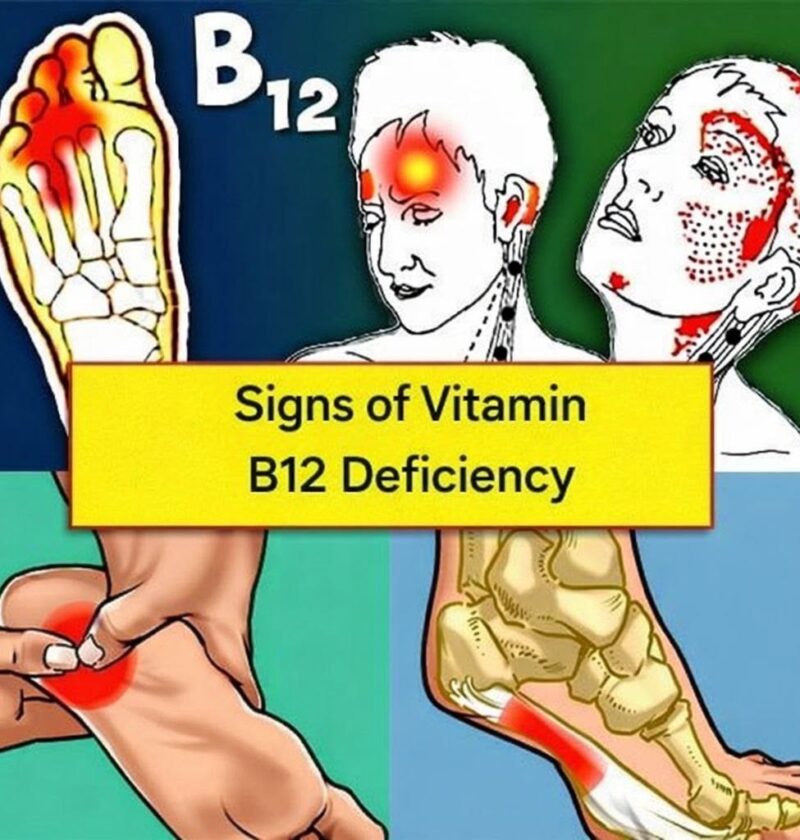
Vitamin B12 is an essential nutrient for everyone, including women over 40. While it’s not literally “needed like air,” a deficiency can cause significant health problems if left untreated.
Common warning signs of Vitamin B12 deficiency
- Fatigue and weakness
- Pale or yellowish skin
- Shortness of breath
- Dizziness or lightheadedness
- Numbness or tingling in the hands or feet
- Balance problems or difficulty walking
- Memory problems or difficulty concentrating
- Mood changes, including depression or irritability
- Sore, red, or swollen tongue
- Mouth ulcers
- Blurred vision (in severe cases)
- Heart palpitations
Who is at higher risk?
- Adults over 50 (absorption often decreases with age)
- Vegetarians and vegans who do not consume fortified foods or supplements
- People with Pernicious Anemia
- People with digestive conditions such as Crohn’s Disease or Celiac Disease
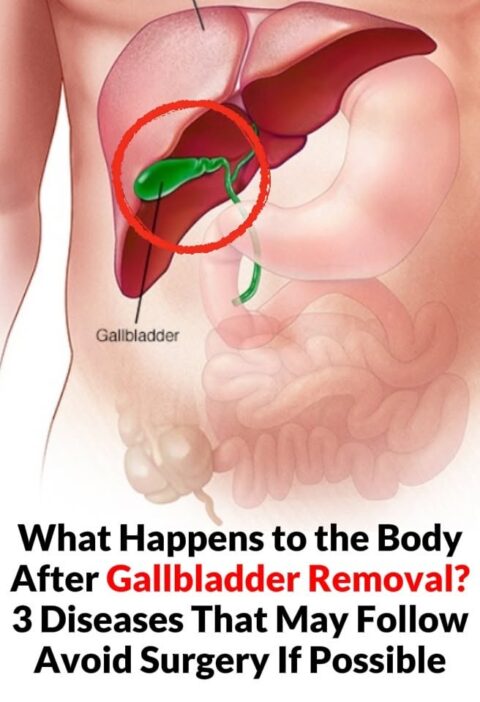
- Those who have had certain stomach or intestinal surgeries
- People taking some medications long-term, such as Metformin or acid-reducing drugs
How is it diagnosed?
A healthcare professional can evaluate symptoms and order blood tests, which may include:
- Vitamin B12 level
- Complete blood count (CBC)
- Additional tests such as methylmalonic acid (MMA) or homocysteine when needed
Sources of Vitamin B12
- Meat, fish, poultry, eggs, and dairy products
- Fortified cereals and plant-based milks
- Vitamin B12 supplements when recommended by a healthcare professional
When to seek medical advice
If you have persistent fatigue, numbness, balance problems, or memory changes, it’s worth discussing these symptoms with a healthcare professional. Early treatment of B12 deficiency can prevent permanent nerve damage.
It’s also worth noting that these symptoms can