🦶 Why people apply essential oils on the feet
1. Thick skin = less irritation
The soles of the feet have thicker skin, so oils:
- are less likely to cause rashes or burning
- feel “gentler” than on the face or neck
This makes it a convenient application spot.
2. Absorption is not “magical”
Essential oils can be absorbed slightly through the skin, but:
- absorption is slow and limited
- there is no strong evidence that foot application works better than other areas
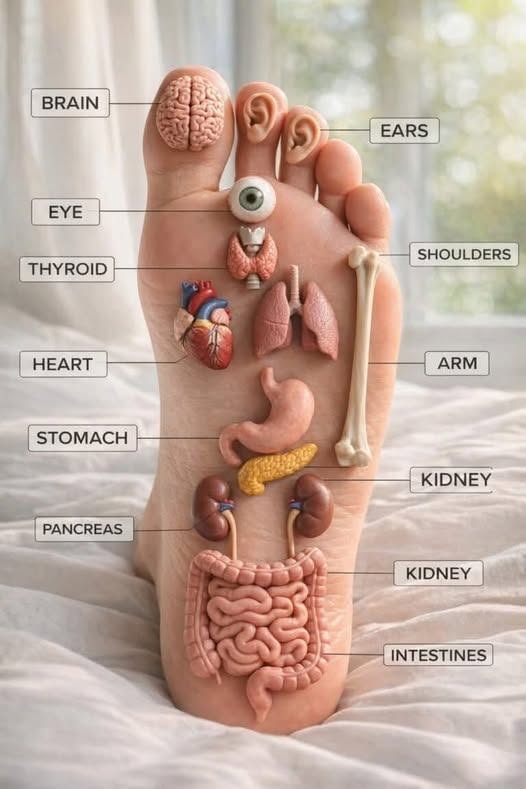
The idea that oils travel directly to organs through foot “zones” (often linked to reflexology-style claims) is not supported by anatomy or clinical research.
3. Smell + relaxation effect is real
Many benefits people notice come from:
- inhalation of aroma (aromatherapy effect)
- calming rituals (massage + routine)
- placebo effect (expectation of benefit)
For example:
- lavender → may reduce anxiety or help sleep in some studies
- peppermint → may feel cooling or reduce perceived fatigue
4. Massage itself helps
Rubbing feet can:
- improve relaxation
- reduce stress
- improve sleep quality indirectly
So the benefit may come more from massage + scent, not the location.
🚫 What is NOT scientifically proven
- “Feet are a detox gateway”
- “Essential oils travel to specific organs through foot points”
- “Foot application is more powerful than other methods”
These are popular wellness myths, not established medical facts.
⚠️ Safety note
Essential oils are concentrated:
- always dilute with a carrier oil (like coconut or olive oil)
- avoid broken skin
- be careful with children, pets, or pregnancy (some oils can be harmful)
👍 Bottom line
Putting essential oils on your feet can feel relaxing and pleasant, but the “wonders” come from aroma, massage, and relaxation—not special foot-based healing pathways.
If you want, I can tell you which essential oils actually have the strongest research for sleep, anxiety, or headaches.