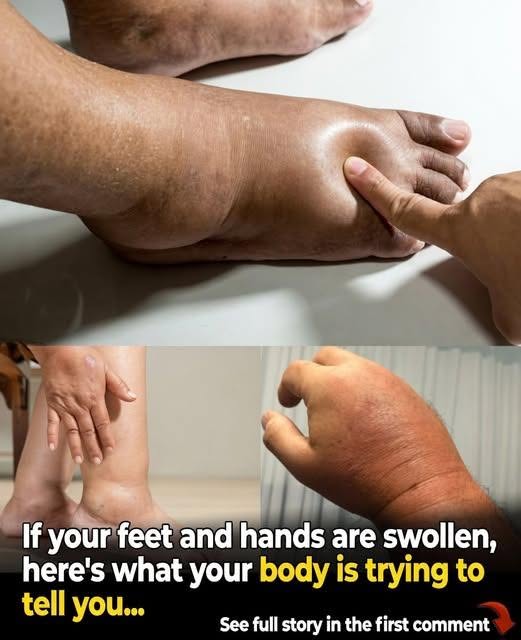
Swelling in the hands and feet (also called edema) can happen for many reasons. Some causes are relatively harmless and temporary, while others require prompt medical evaluation.
Common causes
- Standing or sitting for long periods: Fluid can pool in the lower legs and feet.
- Hot weather: Blood vessels expand, allowing more fluid to move into surrounding tissues.
- High salt intake: Excess sodium can cause the body to retain fluid.
- Pregnancy: Mild swelling is common, especially later in pregnancy.
- Medications: Some blood pressure medicines, steroids, hormone therapies, and certain diabetes medications can cause swelling.
- Injury or infection: These often cause swelling in one area, sometimes with pain, redness, or warmth.
Medical conditions that can cause swelling
- Heart failure
- Chronic kidney disease
- Liver cirrhosis
- Hypothyroidism
- Lymphedema
- Problems with veins, such as Chronic venous insufficiency
- Inflammatory conditions like Rheumatoid arthritis
Hidden dangers
Seek emergency medical care if swelling is accompanied by:
- Shortness of breath or chest pain.
- Swelling of the face, lips, tongue, or throat (possible severe allergic reaction).
- Sudden swelling in one leg with pain, warmth, and redness, which could indicate Deep vein thrombosis.
- Confusion, severe weakness, or other concerning symptoms.
When to see a healthcare professional
Arrange an appointment if the swelling:
- Lasts more than a few days without a clear cause.
- Keeps coming back.
- Is severe or getting worse.
- Is associated with pain, skin changes, reduced urination, or unexplained weight gain.
What you can do
If the swelling is mild and not accompanied by warning signs:
- Elevate your hands or feet when possible.
- Stay physically active and avoid sitting or standing in one position for long periods.
- Reduce excess salt in your diet.
- Stay hydrated.
- Wear compression stockings if recommended by a healthcare professional.
If your swelling is new, persistent, or unexplained, it’s important to have it evaluated so the underlying cause can be identified and treated.