Here’s what actually happens:
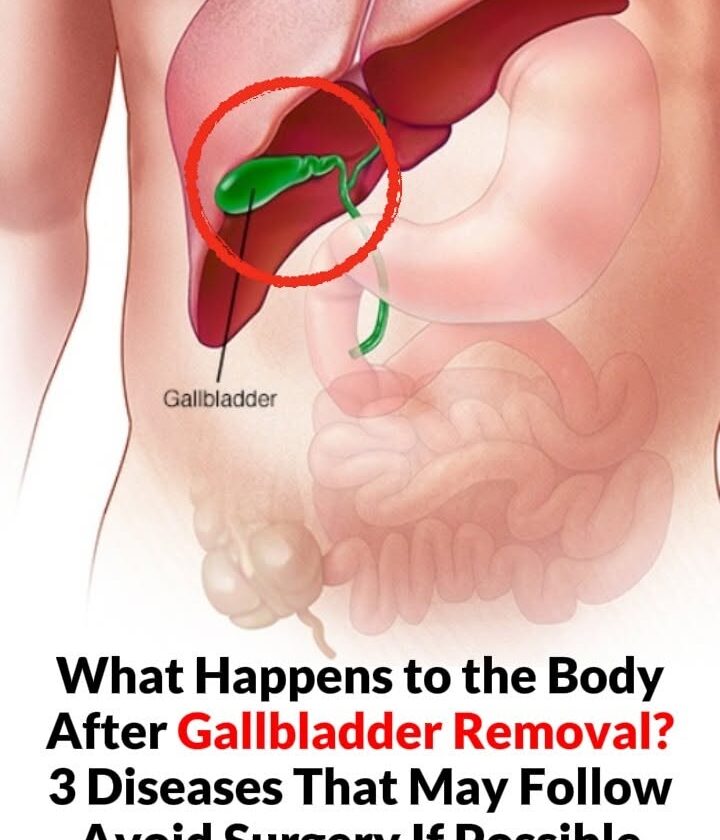
What the gallbladder does
The gallbladder stores and concentrates bile, which helps digest fats.
After removal (cholecystectomy)
The body adjusts by letting bile flow directly from the liver into the small intestine instead of being stored.
Most people recover well and live normally.
Possible short-term effects
Some people may experience:
- Loose stools or diarrhea (especially after fatty meals)
- Bloating or gas
- Temporary difficulty digesting heavy or greasy foods
These usually improve over time.
Possible long-term effects (in some people)
A smaller group may notice:
- Mild fat digestion issues
- Ongoing sensitivity to very fatty meals
- Occasional bowel changes
Serious long-term problems are uncommon.
What it does NOT cause
Contrary to viral posts, gallbladder removal does not directly cause specific “new diseases” in most people. There is no strong evidence that it leads to multiple predictable chronic illnesses.
How to manage well after surgery
- Eat smaller, balanced meals
- Limit very fatty or fried foods at first
- Gradually reintroduce fats as tolerated
- Stay hydrated and active
Bottom line
Gallbladder removal usually leads to normal life with minor digestive adjustments, not a list of new diseases. Most scary claims online are exaggerated or misleading.
If you want, I can also explain what foods are best and worst after gallbladder surgery in a simple guide.