1. Constant Fatigue and Weakness
One of the earliest signs is:
- feeling tired all the time
- low energy even after rest
- general weakness
This happens because vitamin B12 is needed to make healthy red blood cells that carry oxygen.
2. Tingling or Numbness in Hands and Feet
A common but often ignored symptom is:
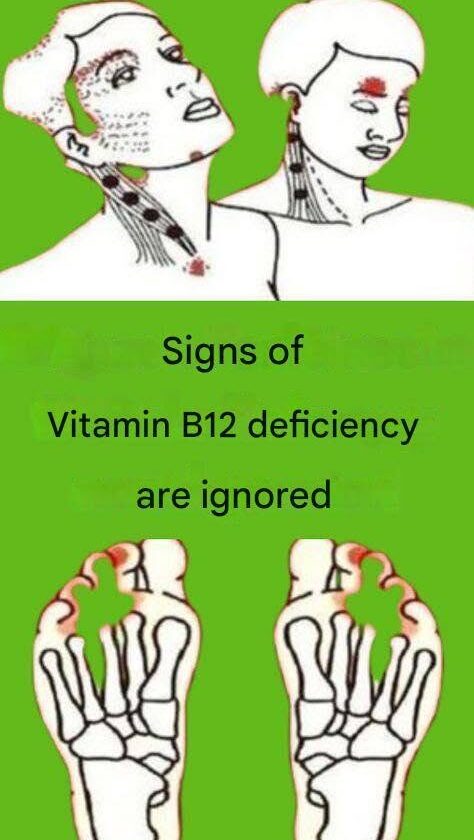
- pins and needles sensation
- numbness in fingers or toes
- burning feeling in limbs
This may indicate nerve involvement.
3. Memory Problems or “Brain Fog”
Low B12 levels can affect the brain, leading to:
- difficulty concentrating
- forgetfulness
- slowed thinking
These symptoms are sometimes mistaken for stress or aging.
4. Pale or Yellowish Skin
Vitamin B12 deficiency can reduce red blood cell production, causing:
- pale skin
- slight yellow tint (jaundice-like appearance)
5. Shortness of Breath and Dizziness
Even mild activity may cause:
- breathlessness
- dizziness
- rapid heartbeat
This is due to reduced oxygen delivery in the body.
6. Mood Changes
Some people may experience:
- irritability
- depression-like symptoms
- anxiety
Vitamin B12 is important for brain and nerve function.
7. Mouth and Tongue Changes
Possible signs include:
- sore or swollen tongue
- mouth ulcers
- burning sensation in the mouth
Who Is at Higher Risk?
Vitamin B12 deficiency is more common in:
- older adults
- vegetarians and vegans
- people with stomach or intestinal disorders
- those on certain long-term medications
When to See a Doctor
You should get tested if you notice:
- ongoing fatigue
- numbness or tingling
- memory issues
- multiple symptoms together
A simple blood test can confirm levels.
Conclusion
Vitamin B12 deficiency often develops slowly, so early symptoms are easy to ignore. However, recognizing signs like fatigue, tingling, and memory issues can help prevent long-term complications. If symptoms persist, medical testing and proper treatment are important for recovery.