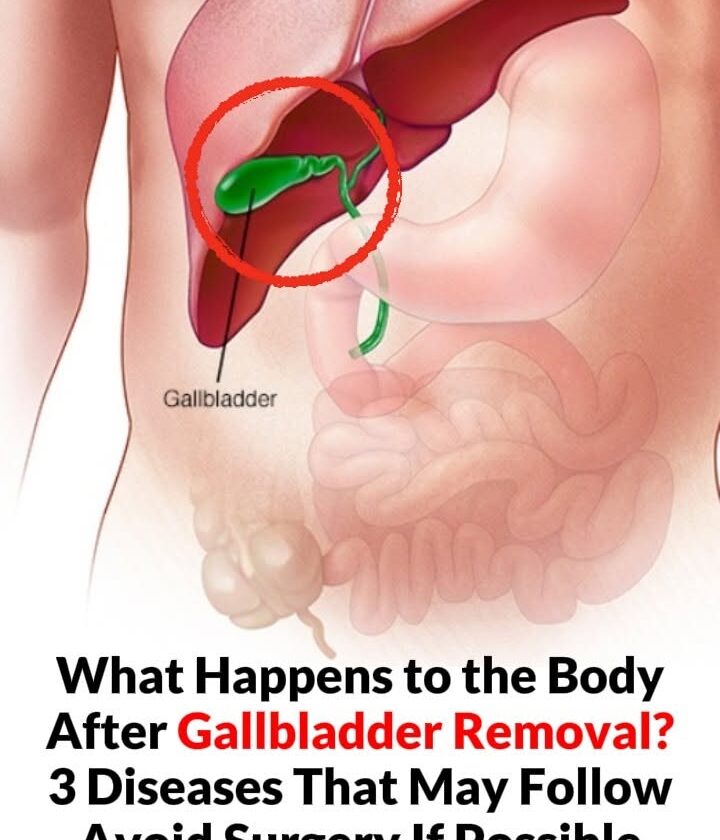
The gallbladder stores and concentrates bile, a fluid made by the liver that helps digest fats. After gallbladder removal (cholecystectomy), the liver still makes bile, but it flows directly into the small intestine instead of being stored. Most people adapt well and live normally without a gallbladder.
Possible changes after gallbladder removal
- Bile acid diarrhea
- Some people develop frequent, loose stools because bile continuously enters the intestine and can irritate the colon.
- This is often treatable with diet changes or medications that bind bile acids.
- Indigestion and fat intolerance
- Some people notice bloating, gas, or discomfort after eating fatty meals.
- Eating smaller meals and reducing very high-fat foods can help.
- Bile duct or digestive complications (less common)
- Rarely, problems such as retained bile duct stones, bile duct injury, or inflammation can occur.
- These are complications related to the procedure or underlying disease rather than an inevitable result of losing the gallbladder.
Does gallbladder removal cause “3 diseases”?
There is no strong medical evidence that gallbladder removal routinely causes three specific diseases in otherwise healthy people. However, some studies have explored possible associations with conditions such as changes in bowel habits, metabolic changes, or digestive symptoms. Associations do not necessarily mean the surgery caused the condition.
Should surgery be avoided if possible?
It depends on why surgery is being considered.
- If gallstones are found but cause no symptoms, doctors often monitor rather than operate.
- If gallstones cause repeated painful attacks, gallbladder inflammation, infection, pancreatitis, or certain complications, removal is often recommended because untreated disease can carry risks.
If you’re considering surgery, the key question is not “Can I live without a gallbladder?” (most people can), but rather “Do the risks of keeping my diseased gallbladder outweigh the risks of surgery?”
If you tell me your situation (for example: gallstones found on ultrasound, pain attacks, age, symptoms, or whether surgery has already been recommended), I can help you understand the likely pros and cons.