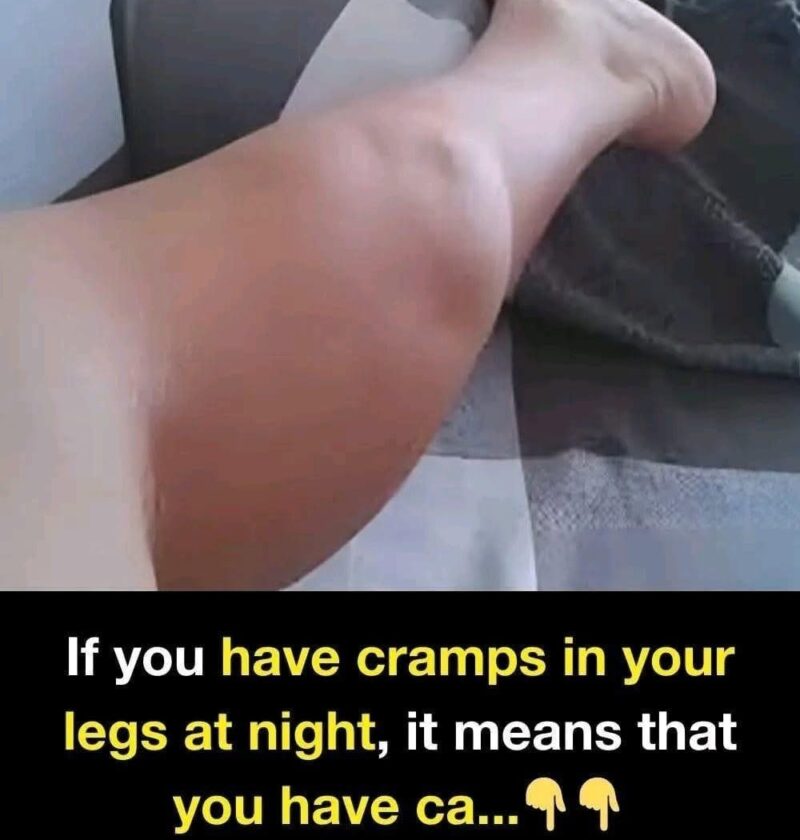
Night cramps (often called “nocturnal leg cramps”) are sudden, painful muscle contractions—usually in the calf or foot—that happen during sleep or rest. They’re common, especially with age, and usually not dangerous, but they can be very disruptive.
Here are the people most at risk:
1. Older adults (most common group)
Risk increases significantly after age 50.
Why:
- Muscles and nerves become less efficient
- Reduced blood flow to legs
- More common underlying health conditions
2. People with poor hydration or electrolyte imbalance
Low levels of:
- Magnesium
- Potassium
- Calcium
Why it matters:
Muscles need these minerals to relax properly. Imbalance increases cramping risk.
3. People who sit or stand for long hours
Examples:
- Office workers
- Drivers
- Shopkeepers
Why:
- Muscles stay in one position too long
- Reduced circulation in legs
4. Pregnant women
Especially in the 2nd and 3rd trimester.
Why:
- Increased pressure on leg veins
- Changes in mineral balance
- Hormonal effects on muscles
5. People with nerve or circulation problems
Conditions like:
- Diabetes-related nerve damage
- Poor blood circulation
These conditions affect how muscles and nerves communicate.
6. Athletes or physically active people
Especially after intense exercise.
Why:
- Muscle fatigue
- Dehydration
- Loss of electrolytes through sweat
7. People taking certain medications
Some medicines can increase cramp risk, such as:
- Diuretics (water pills)
- Some blood pressure medications
- Statins in rare cases
8. People who sleep in awkward positions
- Feet pointed downward for long periods
- Tight bed covers forcing foot position
This keeps calf muscles shortened, triggering cramps.
When to worry
Night cramps are usually harmless, but see a doctor if:
- They happen very frequently (several times a week)
- You also have numbness or weakness
- There is swelling, redness, or persistent pain
- You have diabetes or circulation disease
Bottom line
Night cramps are most common in:
older adults, people with poor hydration/minerals, long sedentary routines, pregnancy, and circulation or nerve conditions
If you want, I can also show you:
- Fast relief techniques when a cramp hits at night
- Or foods that actually help reduce cramps (evidence-based, not myths)