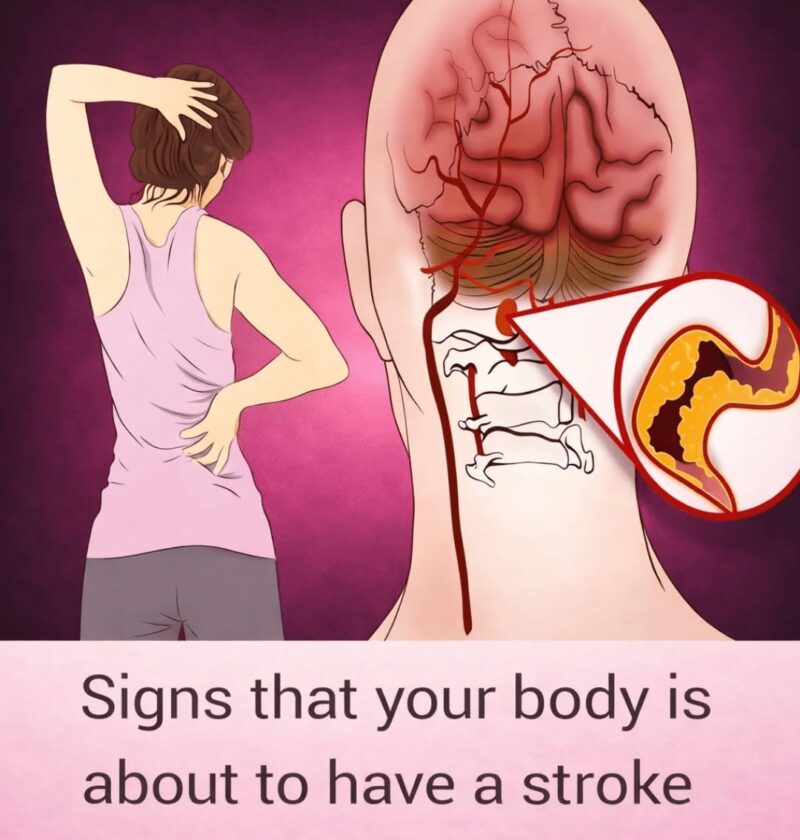
10 Early Warning Signs of a Stroke Everyone Should Know
A stroke is a medical emergency that occurs when blood flow to part of the brain is interrupted or when a blood vessel in the brain ruptures. Recognizing the warning signs early and seeking immediate medical attention can save a life and reduce the risk of permanent disability.
1. Sudden Numbness or Weakness
One of the most common signs is sudden weakness or numbness in the face, arm, or leg—especially on one side of the body.
Watch for:
- Drooping face
- Weak grip in one hand
- Difficulty lifting one arm
2. Facial Drooping
Ask the person to smile. If one side of the face droops or appears uneven, it may indicate a stroke.
3. Trouble Speaking
A person experiencing a stroke may:
- Slur their words
- Speak incoherently
- Have difficulty understanding speech
Ask them to repeat a simple sentence. If they struggle, seek help immediately.
4. Sudden Confusion
Stroke can affect the brain’s ability to process information, causing:
- Disorientation
- Difficulty understanding conversations
- Memory problems
5. Vision Problems
Sudden vision changes may occur in one or both eyes, including:
- Blurred vision
- Double vision
- Partial or complete loss of sight
6. Severe Headache
A sudden, intense headache with no known cause can be a warning sign, particularly in cases of bleeding in the brain.
Seek emergency care if the headache is accompanied by:
- Vomiting
- Dizziness
- Loss of consciousness
7. Dizziness or Loss of Balance
A stroke can affect coordination and balance, leading to:
- Difficulty walking
- Sudden dizziness
- Loss of coordination
8. Difficulty Swallowing
Some people experience trouble swallowing or a sensation that food is stuck in their throat.
9. Sudden Fatigue or Weakness
An unexplained feeling of extreme tiredness, especially when accompanied by other symptoms, can be an early warning sign.
10. Sudden Loss of Coordination
Tasks that are normally easy—such as writing, picking up objects, or walking—may suddenly become difficult.