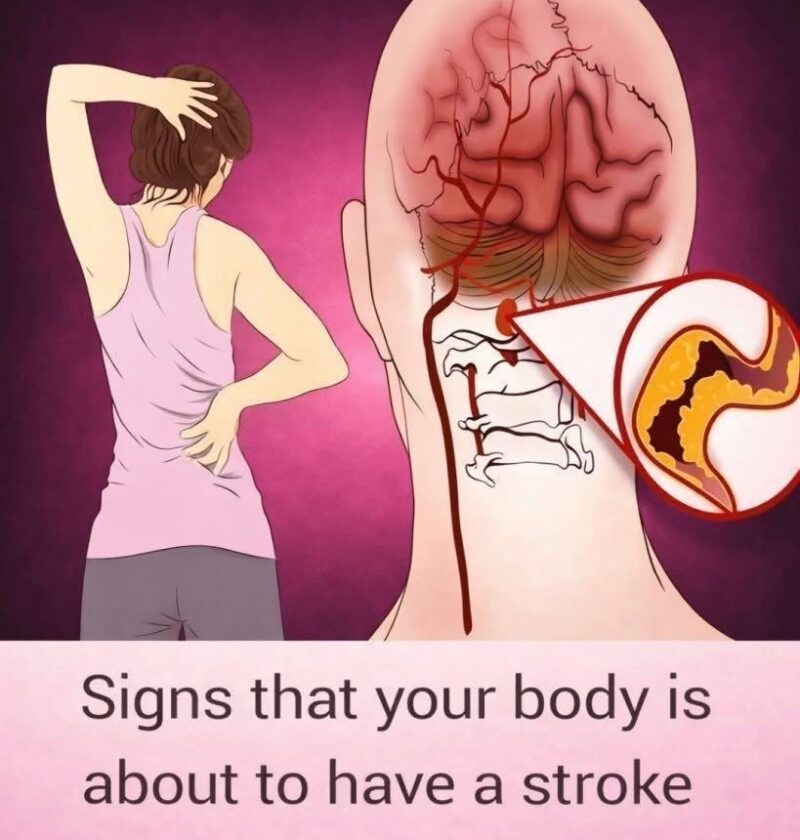
A stroke is a medical emergency, and recognizing early signs quickly can save a life and reduce long-term disability.
A helpful way to remember the most important warning signs is F.A.S.T.
🚨 FAST warning signs of stroke
- F – Face drooping
One side of the face may look uneven or numb. Ask the person to smile. - A – Arm weakness
One arm may drift downward or feel weak or numb. - S – Speech difficulty
Slurred speech, confusion, or trouble speaking or understanding. - T – Time to call emergency help
If any of these signs appear, seek emergency care immediately.
⚠️ Other early warning signs of stroke
Beyond FAST, there are additional symptoms to watch for:
- Sudden numbness or weakness
Especially in the face, arm, or leg—often on one side of the body. - Sudden confusion
Trouble understanding speech or forming coherent thoughts. - Sudden vision problems
Blurred vision, double vision, or loss of vision in one or both eyes. - Sudden severe headache
A “worst headache of life,” especially if it comes on quickly and unusually. - Dizziness or loss of balance
Trouble walking, coordination problems, or unexplained falls. - Trouble speaking or understanding speech
Words may sound slurred or nonsensical. - Numbness or tingling
Especially if it affects one side of the body. - Difficulty walking
Weakness, staggering, or loss of coordination. - Sudden nausea or vomiting
Especially when combined with neurological symptoms. - Sudden confusion or altered awareness
Appearing disoriented or not recognizing surroundings.
🧠 Why acting fast matters
A stroke occurs when blood flow to the brain is blocked or a blood vessel bursts. The longer brain cells are deprived of oxygen, the more damage occurs.
This can be due to:
- Ischemic stroke
- Hemorrhagic stroke
🚑 What to do immediately
If you suspect a stroke:
- Call emergency services immediately
- Do not wait to see if symptoms improve
- Note the time symptoms started (important for treatment decisions)
🧠 Bottom line
Stroke symptoms are usually sudden, not gradual, and even mild signs should be taken seriously. Quick action can significantly improve survival and recovery outcomes.
If you want, I can also explain how stroke symptoms differ from low blood sugar or migraine (which are often confused with stroke).