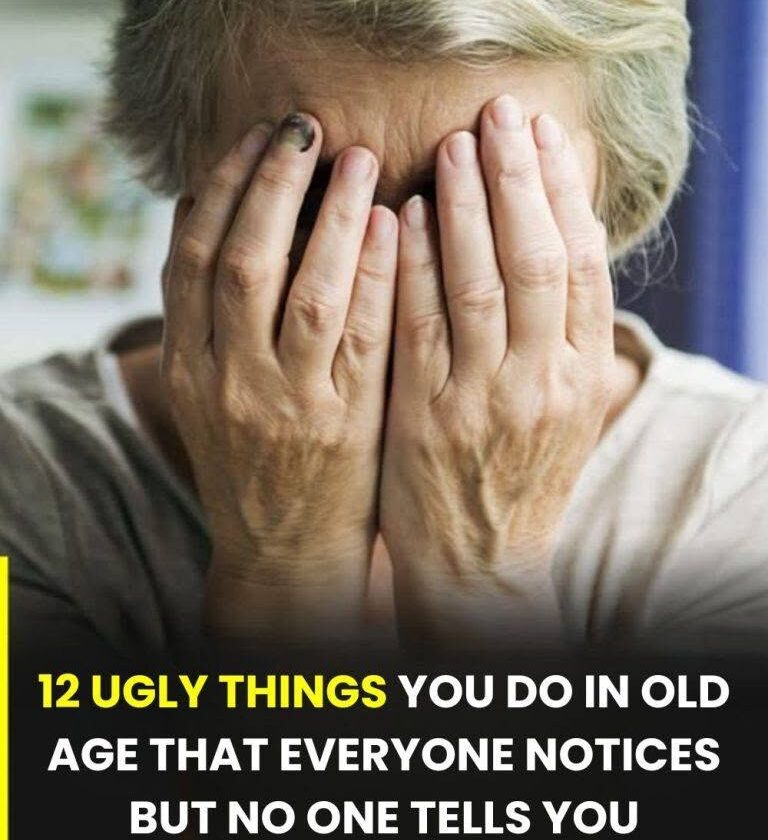
The headline “12 nasty things you do in old age that everyone notices, but no one dares to tell you” is a harsh, attention-grabbing way to discuss changes that can happen with aging. Aging itself is not “nasty,” and many changes are normal or manageable. Here are some common issues that people may notice and that are worth addressing with care:
12 Things That Can Become More Noticeable With Age
- Body odor changes
- Skin changes, slower metabolism, medications, and hygiene challenges can affect scent.
- Regular bathing, clean clothing, and skin care can help.
- Bad breath
- Dry mouth, dental problems, gum disease, or certain medications can contribute.
- Regular dental care and hydration can make a big difference.
- Hearing difficulties
- Some people may not notice gradual hearing loss.
- Mishearing conversations can affect relationships and safety.
- Speaking more loudly
- This may happen because of reduced hearing or habit.
- Repeating stories or questions
- Occasional repetition is common, but frequent repetition may be worth discussing with a healthcare professional.
- Neglecting personal grooming
- Changes in mobility, vision, energy, or mood can make grooming harder.
- Support or small adjustments can help.
- Changes in posture or walking
- Stiffness, weakness, or balance issues may affect movement.
- Exercise and physical therapy can help maintain strength.
- Increased complaining or irritability
- Pain, loneliness, poor sleep, medication effects, or stress can influence mood.
- Ignoring hydration
- Older adults may feel less thirsty, increasing the risk of dehydration.
- Poor oral health
- Tooth loss, gum problems, and dentures needing adjustment are common but treatable.
- Changes in bladder control
- Urgency or leakage can occur with aging, but it is not something people simply have to accept—medical help is available.
- Changes in social habits
- Some people withdraw from activities or conversations due to hearing issues, mobility limits, grief, or low mood.
A more helpful perspective
Many age-related changes are health issues, not personal failings. Staying active, maintaining friendships, getting regular checkups, caring for teeth and skin, and addressing hearing or vision problems can greatly improve quality of life.
If a sudden change appears—such as confusion, major personality changes, unexplained weight loss, or loss of independence—it is worth discussing with a healthcare professional.