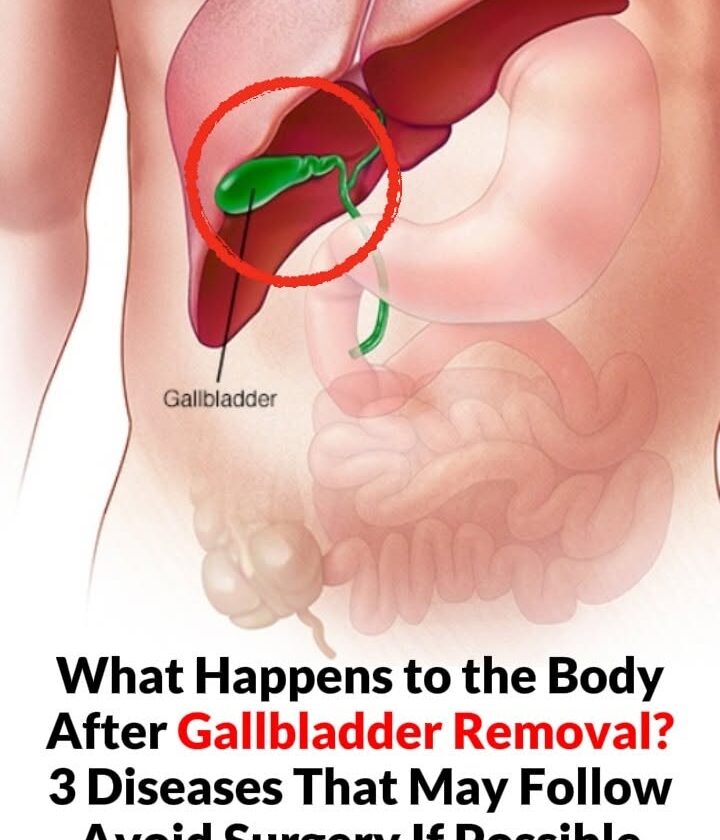
If you’re asking about the claim “What happens to the body after gallbladder removal? 3 diseases that may follow — avoid surgery if possible”, the reality is more nuanced.
Gallbladder removal (cholecystectomy) is a common surgery and is generally considered safe and effective when someone has problems such as repeated gallstones, gallbladder inflammation, or certain complications. The gallbladder stores bile made by the liver; after removal, bile flows continuously from the liver into the small intestine instead of being stored and released during meals.
Common changes after gallbladder removal
Some people notice:
- Diarrhea or looser stools, especially in the first weeks or months
- Bloating or gas
- Changes in digestion of fatty foods
- Needing to eat smaller, lower-fat meals for a while
Many people, however, return to a normal diet and lifestyle after recovery.
Are there “3 diseases” caused by gallbladder removal?
There is no established list of three inevitable diseases that follow gallbladder removal. Some conditions have been studied for possible associations, but they do not mean the surgery causes them in every person. Examples sometimes discussed include:
- Bile acid diarrhea
- Without a gallbladder, bile enters the intestine more continuously.
- In some people, excess bile acids reach the colon and trigger diarrhea.
- This can often be treated with medications and diet changes.
- Changes in gut bacteria (gut microbiome)
- Altered bile flow may influence intestinal bacteria.
- Research is ongoing, and the long-term significance is still being studied.
- Possible associations with metabolic or digestive issues
- Some studies have explored links between gallbladder removal and conditions such as fatty liver disease or changes in cholesterol metabolism, but results vary and do not prove that surgery directly causes these problems.
Should you avoid gallbladder surgery if possible?
Not always. Avoiding surgery may be reasonable in some people with mild, symptom-free gallstones, depending on their situation. But delaying or avoiding surgery can be risky when there are problems such as:
- Repeated painful gallbladder attacks
- Gallbladder infection (cholecystitis)
- Blocked bile ducts
- Pancreatitis caused by gallstones
- Certain gallbladder growths or cancer concerns
A decision should be based on the person’s symptoms, imaging results, age, overall health, and risk factors—not on a general rule to avoid surgery.
If you are considering gallbladder removal, useful questions for a surgeon include:
- “What is my specific reason for needing surgery?”
- “What are the risks of waiting?”
- “Are there non-surgical options in my case?”
- “What diet changes should I follow after surgery?”
If you share why gallbladder removal is being considered (stones, pain, infection, polyps, etc.) and your age, I can help explain the usual options and risks.