Shower habits and stroke risk: what seniors should know
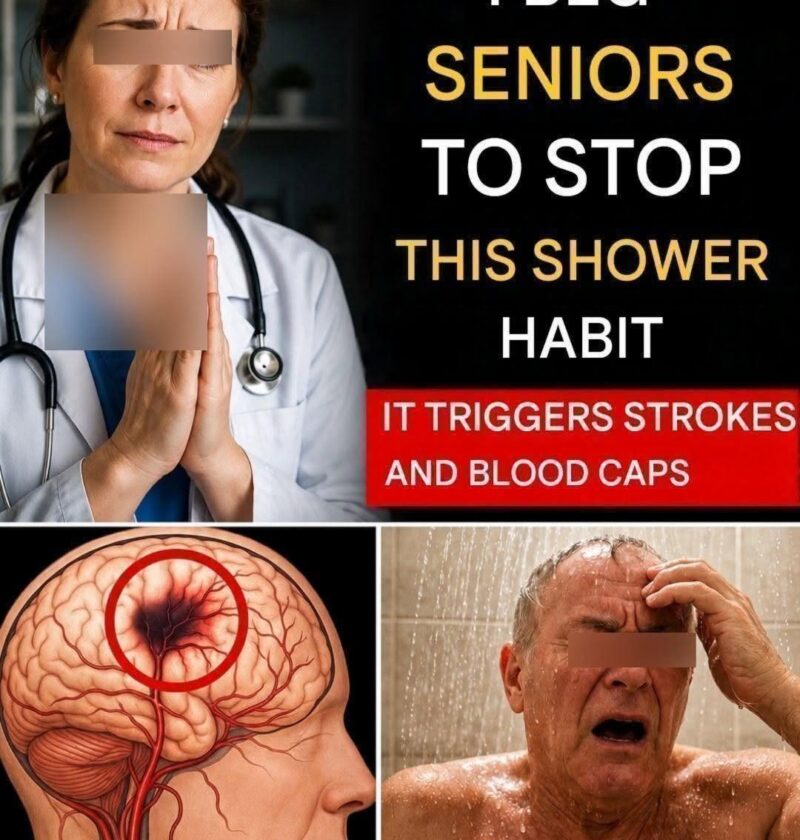
Many viral health articles claim that a specific shower habit can “cause a stroke overnight.” These claims are often exaggerated. A normal shower does not directly cause a stroke in most people. However, certain shower-related situations may put extra stress on the body, especially in older adults or people with heart and blood vessel conditions.
Possible risk factors related to showering
1. Sudden temperature changes
Moving quickly from very hot water to cold air (or very cold water) can cause blood vessels to tighten and blood pressure to change suddenly. People with cardiovascular risks may be more sensitive to these changes.
2. Very hot showers
Hot water can cause blood vessels to widen, which may lead to:
- Lightheadedness
- Low blood pressure
- Dizziness
- Fainting risk
Falls in the bathroom are a major concern for older adults.
3. Standing for a long time
Long showers, especially in hot conditions, can contribute to weakness or dizziness in some people.
4. Showering when dehydrated or unwell
Illness, dehydration, or low blood pressure can make dizziness more likely.
Safer shower habits for seniors
- Use warm water instead of extremely hot water.
- Avoid sudden temperature changes.
- Keep the bathroom well ventilated.
- Use non-slip mats or grab bars if balance is a concern.
- Sit down if you feel dizzy or weak.
- Avoid showering alone if you have a history of fainting or falls.
Stroke warning signs to remember (FAST)
- F — Face: Drooping on one side
- A — Arm: Weakness or numbness in one arm
- S — Speech: Slurred or confused speech
- T — Time: Seek emergency help immediately
The main proven stroke risks are conditions such as high blood pressure, smoking, diabetes, high cholesterol, irregular heart rhythm (like atrial fibrillation), and previous stroke history—not simply taking a shower.