What Does the Gallbladder Do?
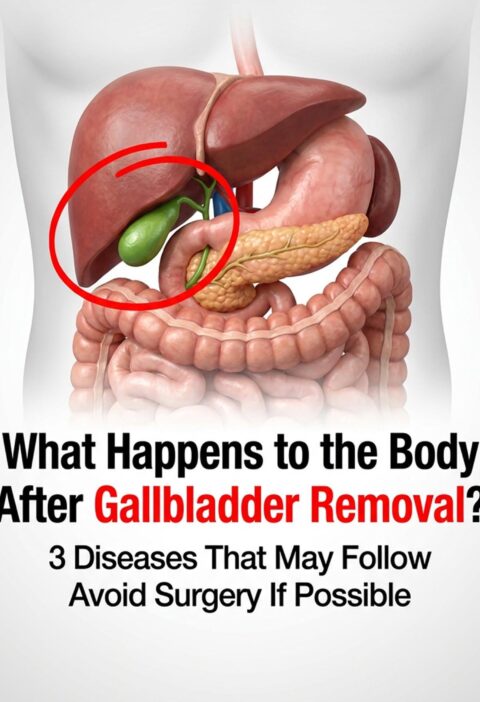
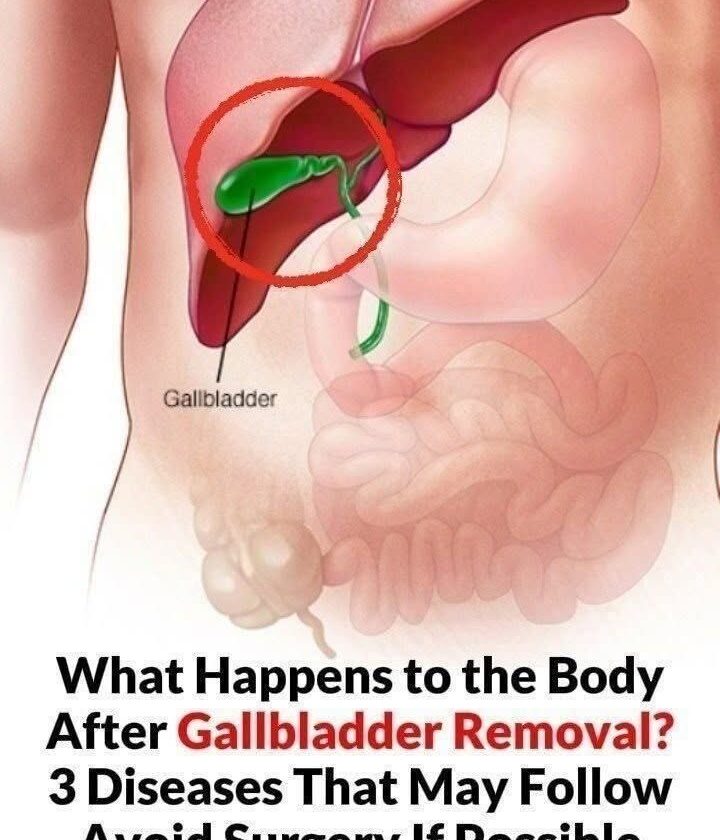
The gallbladder stores bile produced by the liver and releases it into the small intestine to help digest fats. After removal, bile flows directly from the liver into the intestine.
Most people adapt well, but some experience ongoing digestive symptoms.
1. Post-Cholecystectomy Syndrome
Some patients develop a collection of symptoms known as post-cholecystectomy syndrome.
Symptoms may include:
- Abdominal pain
- Bloating
- Indigestion
- Nausea
- Diarrhea
Symptoms can occur shortly after surgery or months later. Many cases are mild and manageable.
2. Chronic Diarrhea or Bile Acid Diarrhea
Without a gallbladder, bile enters the intestine more continuously. In some people, excess bile reaching the colon can cause:
- Frequent loose stools
- Urgency
- Digestive discomfort
This is often treatable through dietary changes or medications that bind bile acids.
3. Digestive Difficulties With Fatty Foods
Some individuals notice:
- Bloating
- Gas
- Cramping
- Discomfort after high-fat meals
Many people find these symptoms improve over time as the digestive system adapts.
Does Everyone Develop These Problems?
No. Most people recover well after gallbladder removal and experience significant relief from gallstone-related pain and complications.
When Gallbladder Removal Is Often Necessary
Surgery may be recommended for:
- Symptomatic gallstones
- Repeated gallbladder attacks
- Gallbladder inflammation
- Certain gallbladder infections
- Complications such as pancreatitis caused by gallstones
Delaying necessary treatment can sometimes lead to more serious health problems.
Can Gallbladder Disease Be Managed Without Surgery?
In selected cases, doctors may recommend:
- Dietary modifications
- Observation (“watchful waiting”)
- Medications for symptom management
However, these approaches do not always prevent future attacks or complications.
The Bottom Line
Gallbladder removal can lead to digestive issues such as post-cholecystectomy syndrome, bile acid diarrhea, or difficulty tolerating fatty foods. However, these complications do not occur in everyone, and for many patients the benefits of surgery outweigh the risks. Decisions about gallbladder surgery should be made with a healthcare professional based on the severity of symptoms, the presence of complications, and overall health—not on blanket claims that surgery should always be avoided.