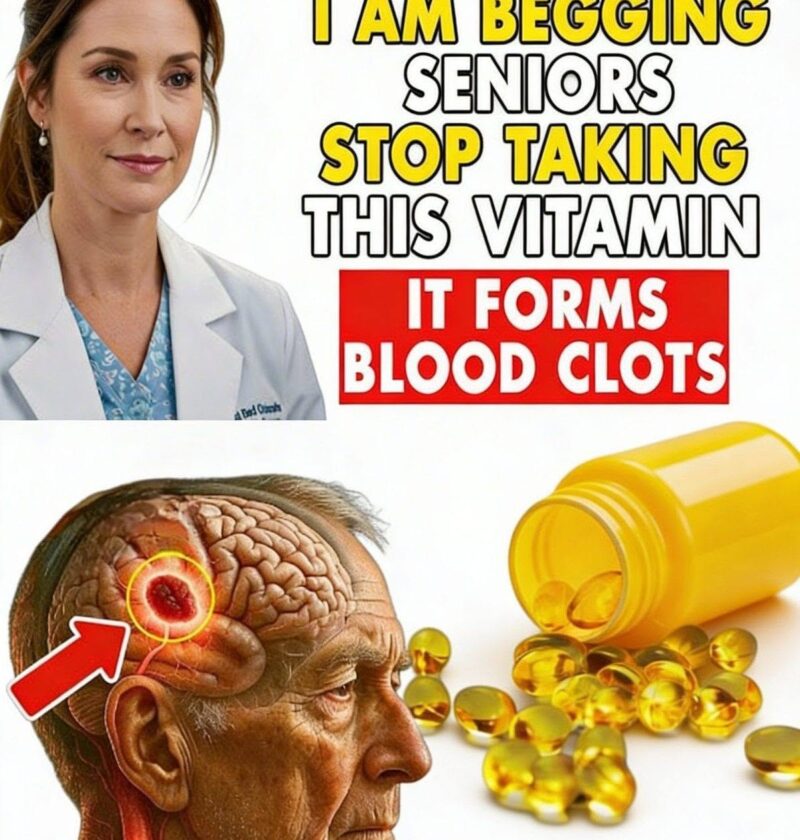
If you’re asking for the details behind this headline, it is most likely referring to vitamin E supplements. There is some legitimate evidence behind the concern, but the phrase “raises stroke risk overnight” is misleading.
A more medically accurate version would be:
Vitamin E Supplements May Increase the Risk of Certain Types of Stroke
Vitamin E is an essential nutrient, and most people can obtain enough from foods such as nuts, seeds and vegetable oils. But taking high-dose vitamin E supplements is a different matter.
A meta-analysis of nine randomized controlled trials involving more than 118,000 people found that vitamin E supplementation did not significantly change the overall risk of stroke. However, researchers observed two opposing effects: vitamin E was associated with a 22% higher relative risk of hemorrhagic stroke (bleeding in the brain) and a 10% lower relative risk of ischemic stroke (caused by a blood clot). (BMJ)
That doesn’t mean vitamin E suddenly causes a stroke after taking a single dose. The research examined supplementation over time, and the absolute difference in risk was relatively small. The analysis estimated approximately one additional hemorrhagic stroke for every 1,250 people taking vitamin E, while about one ischemic stroke was prevented for every 476 people treated. (BMJ)
Why might vitamin E matter?
High-dose vitamin E can affect blood clotting and platelet function. This is particularly important for older adults and people who already have factors that increase bleeding risk.
The potential concern is therefore more relevant to supplementation at high doses than to getting normal amounts of vitamin E through food.
Should seniors stop taking vitamin E?
Not automatically.
If you’re taking a vitamin E supplement, particularly a high-dose product, talk with your doctor or pharmacist about whether you actually need it. This is especially important if you take medicines that affect bleeding or have previously had a stroke or other bleeding problem.
Don’t abruptly stop a prescribed medication or change treatment based on a headline.
The bottom line
Vitamin E is not a “stroke-causing vitamin,” and there is no evidence that it suddenly raises your stroke risk overnight. The evidence suggests that supplemental vitamin E may modestly increase the risk of hemorrhagic stroke while potentially lowering ischemic-stroke risk, so indiscriminate high-dose supplementation isn’t advisable. (BMJ)
For most people, obtaining vitamin E from a balanced diet is preferable to taking high-dose supplements without a specific medical reason.
The strongest evidence I found for the headline is the randomized-trial meta-analysis; I would not publish “brain doctor” or “overnight” as factual claims because they substantially overstate what the research shows.