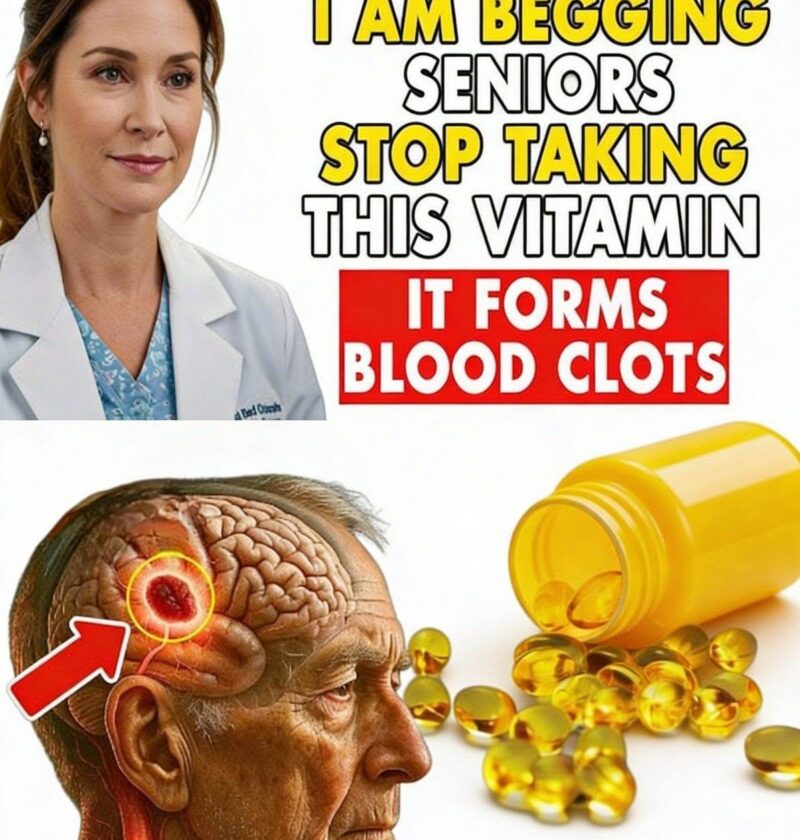
You may have seen headlines claiming that a certain vitamin can suddenly raise stroke risk overnight, especially in older adults. These headlines are often designed to create alarm, but the real science is more nuanced.
There is no vitamin proven to instantly cause a stroke overnight in healthy people when taken at normal recommended doses. However, some supplements can increase health risks in certain situations, especially when taken in high doses, combined with medications, or used without medical guidance.
Here are the vitamins and supplements most often discussed in relation to stroke risk:
1. High-Dose Vitamin E — The Main One Often Mentioned
Large doses of vitamin E supplements have raised concerns in some research because vitamin E can affect blood clotting.
Possible concerns:
- Increased bleeding tendency
- Higher risk of hemorrhagic stroke (a stroke caused by bleeding in the brain) in some studies
- Greater risk when combined with blood-thinning medications
People who should be especially cautious:
- Those taking warfarin or other anticoagulants
- People with bleeding disorders
- Those preparing for surgery
Important: Normal amounts of vitamin E from foods (nuts, seeds, vegetables) are generally considered different from high-dose supplements.
2. Vitamin B6 — Too Much Can Harm Nerves
Vitamin B6 is essential, but excessive long-term supplementation can cause:
- Nerve damage
- Tingling or numbness
- Balance problems
It is not known to directly “cause overnight strokes,” but unnecessary high doses can create other health problems.
3. Calcium Supplements — A Cardiovascular Question
Some studies have investigated whether calcium supplements may affect cardiovascular health.
Possible concerns include:
- Changes in blood vessel calcification
- Possible associations with heart attack risk in some research
However, results are mixed, and calcium needs depend on:
- Diet
- Age
- Bone health
- Vitamin D status
4. Vitamin D — Usually Not a Stroke Risk
Vitamin D is sometimes blamed online, but current evidence does not show that normal vitamin D supplementation suddenly triggers strokes.
Problems are more likely with:
- Extremely high doses
- Excess calcium levels caused by over-supplementation
5. “Energy” or Brain-Boosting Supplements
Some products marketed for memory, focus, or energy may contain mixtures of:
- Stimulants
- Herbal ingredients
- High-dose vitamins
These may affect:
- Blood pressure
- Heart rhythm
- Blood clotting
The risk may come from the combination of ingredients rather than a single vitamin.
Who Should Be Careful With Supplements?
Talk with a healthcare professional before starting high-dose supplements if you:
- Are over age 65
- Have had a stroke or mini-stroke (TIA)
- Have high blood pressure
- Take blood thinners
- Take heart medications
- Have kidney or liver disease
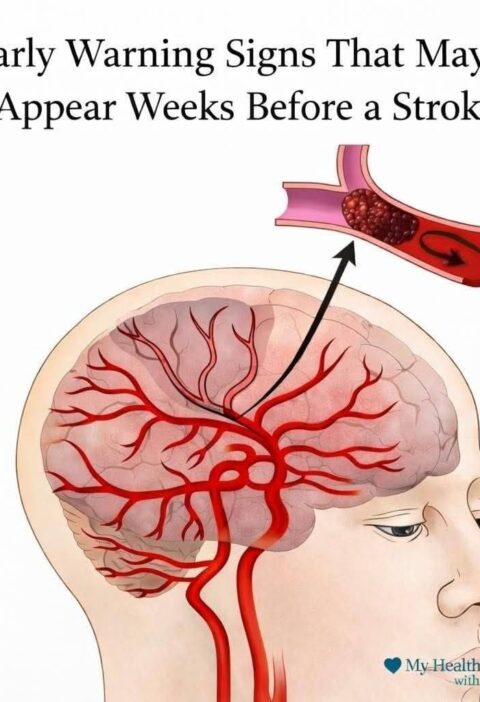
Stroke Warning Signs — Act FAST
Seek emergency help if someone suddenly develops:
F — Face drooping
A — Arm weakness
S — Speech difficulty
T — Time to call emergency services
Other warning signs:
- Sudden severe headache
- Sudden vision loss
- Confusion
- Loss of balance or coordination
Bottom Line
The claim that “one vitamin raises stroke risk overnight” is an exaggeration. The bigger concern is usually high-dose supplementation, interactions with medications, or taking unnecessary supplements without medical advice.
A balanced diet, controlling blood pressure, managing cholesterol, staying active, and taking prescribed medications correctly remain far more important for stroke prevention than avoiding ordinary vitamin intake.