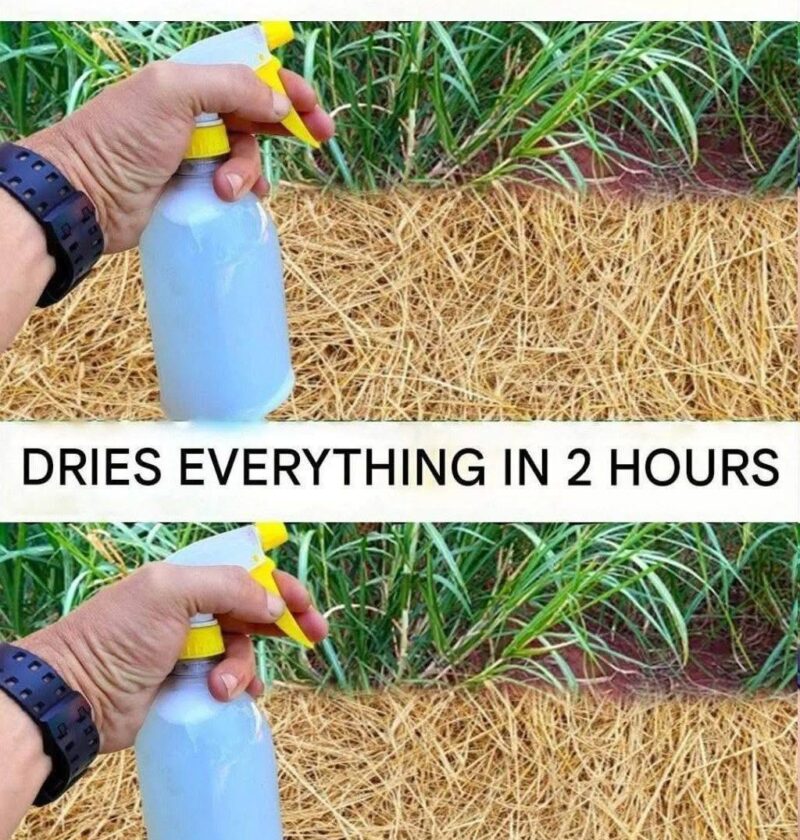
If you’re looking for a simple homemade weed killer, it’s helpful to know that “non-toxic” doesn’t necessarily mean harmless. Many homemade mixtures can still damage nearby plants, soil organisms, or irritate skin and eyes.
Here are two practical options:
Option 1: Boiling Water (Safest for Small Areas)
This works well for weeds growing in:
- Sidewalk cracks
- Driveways
- Gravel paths
How to use:
- Carefully pour freshly boiled water directly onto the weeds.
- Avoid nearby desirable plants, as boiling water kills any vegetation it touches.
Option 2: Vinegar Spray (Best for Young Weeds)
Ingredients:
- 1 gallon (3.8 L) white vinegar (5% acetic acid)
- 1 tablespoon liquid dish soap
Instructions:
- Mix the ingredients in a spray bottle or garden sprayer.
- Spray directly onto weed leaves on a warm, sunny, dry day.
- Reapply if necessary.
Keep in mind:
- Vinegar mainly burns the leaves and is most effective on young annual weeds.
- It does not usually kill deep roots of perennial weeds, so regrowth is common.
- It can also injure any plant it contacts, including flowers, vegetables, and grass.
Should you add salt?
Adding salt is a common internet recommendation, but it’s generally not recommended for garden beds because it can:
- Damage soil for a long time.
- Harm nearby plants.
- Wash into surrounding areas with rain.
For long-term control of persistent weeds, combining hand-pulling, mulching (2–4 inches of organic mulch), and targeted spot treatments is often more effective than homemade sprays alone.