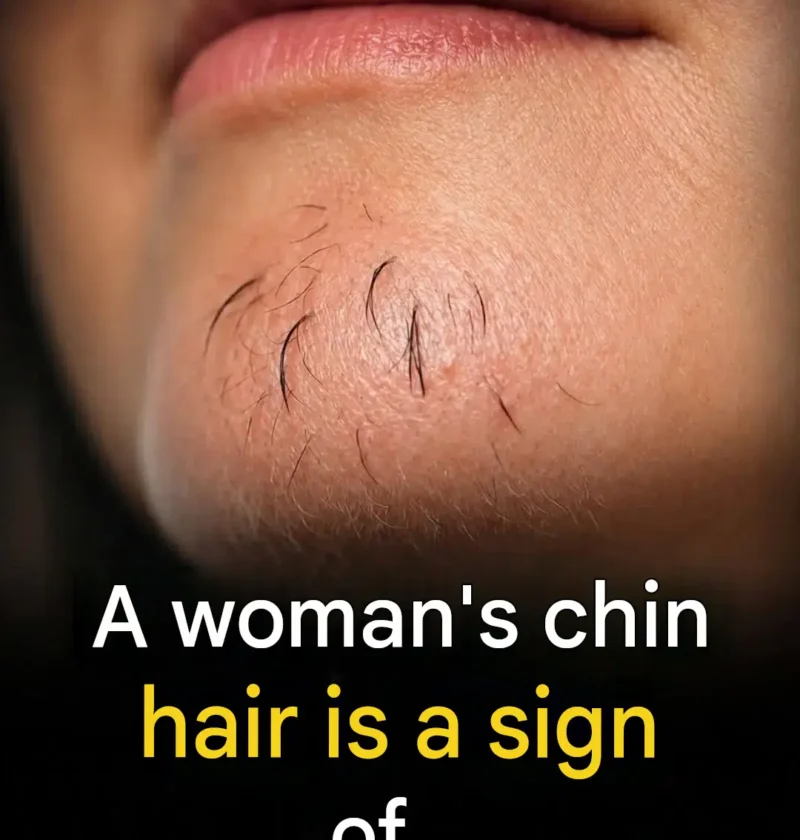
A few chin hairs in women are very common and usually not a sign that anything is wrong. Hormones, genetics, and simply getting older can all make facial hair more noticeable.
What chin hair may be telling you:
Normal hormonal changes: Androgens (such as testosterone) naturally affect hair growth. As estrogen levels change with age—particularly around perimenopause and menopause—coarser chin hairs can become more common.
Genetics: Some women are simply more prone to facial hair, regardless of hormone levels.
Polycystic ovary syndrome (PCOS): If facial/body hair has increased significantly, especially alongside irregular periods, acne, scalp hair thinning, or difficulty with weight management, PCOS is one possible explanation.
Other hormone-related conditions: Less commonly, excessive or rapidly developing hair can be associated with adrenal or ovarian disorders or certain medications.
When it’s worth getting checked
Consider talking with a healthcare professional if the hair growth is new, rapidly increasing, or accompanied by irregular/missed periods, severe acne, scalp hair loss, unexplained weight changes, a deeper voice, increased muscle mass, or other signs of increased androgen activity.
Importantly, one or a few chin hairs by themselves don’t mean you have a hormonal disorder. If you’re concerned, a clinician can decide whether hormone testing is actually warranted based on your symptoms and menstrual history.