The headline “Doctor uncovers a telltale sign in your fingernails that may predict your life expectancy” is likely referring to claims about nail changes being linked to overall health. While fingernails can sometimes provide clues about certain medical conditions, there is no single nail sign that can accurately predict how long a person will live.
Some nail features that doctors pay attention to include:
1. Nail ridges
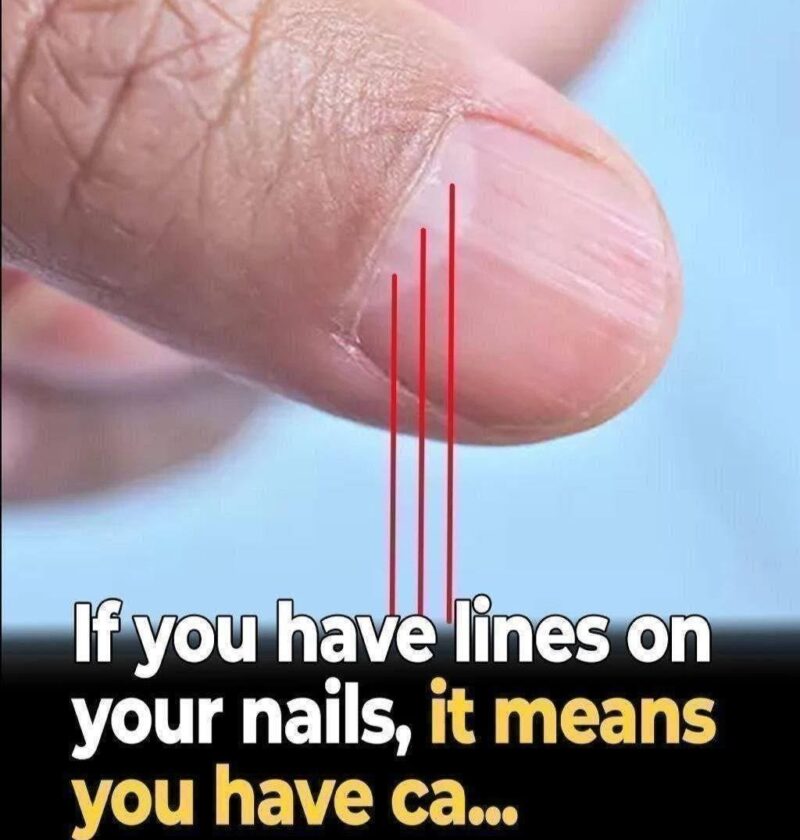
- Vertical ridges (running from the cuticle to the tip) are common with aging and are usually harmless.
- Deep horizontal grooves (called Beau’s lines) can occur after illness, severe stress on the body, injury, or certain medical treatments.
2. Nail color changes
- Pale nails may sometimes be associated with anemia or other health issues.
- Bluish nails can be linked to reduced oxygen levels or circulation problems.
- Yellow, thickened nails may be caused by fungal infections or other conditions.
3. Clubbing (rounded, enlarged fingertips with curved nails)
This is a recognized medical sign that can be associated with some lung, heart, digestive, or other diseases. It does not predict lifespan by itself, but it may prompt further evaluation.
4. Nail health and nutrition
Brittle or fragile nails can sometimes reflect:
- Nutritional deficiencies
- Thyroid problems
- Repeated exposure to chemicals or water
- Normal aging
The bigger picture
Doctors assess longevity using many factors, including:
- Blood pressure and cholesterol
- Smoking and alcohol habits
- Physical activity
- Diet
- Sleep
- Medical conditions
- Genetics
- Social and mental well-being
Bottom line: Your fingernails can offer clues about your health, but they cannot reliably tell you your life expectancy. A new, unusual, or rapidly changing nail appearance is worth discussing with a healthcare professional—especially if it occurs with other symptoms.