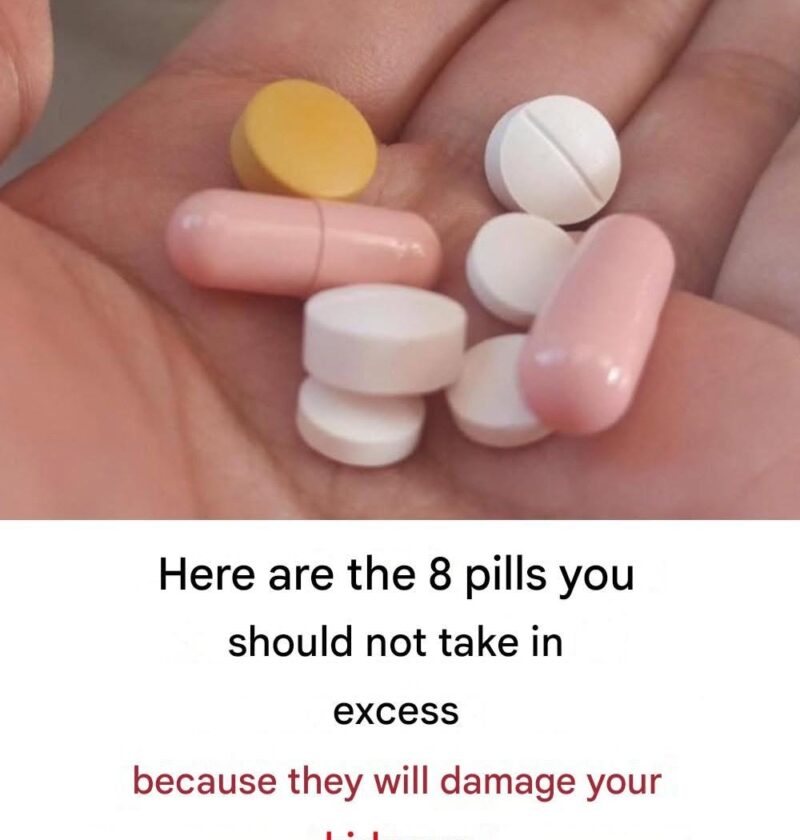
The idea that there is a fixed list of “eight pills you should never take” is misleading. Many medications can affect the kidneys in certain situations, but they may be safe and beneficial when prescribed appropriately and monitored by a healthcare professional.
Examples of medicines that can harm the kidneys in some people include:
- Nonsteroidal anti-inflammatory drugs (NSAIDs)
- Examples: ibuprofen, naproxen, diclofenac
- Risk is higher with long-term use, high doses, dehydration, or existing kidney disease.
- Certain antibiotics
- Some antibiotics (especially certain aminoglycosides) can stress the kidneys and may require monitoring.
- Some antiviral medicines
- Certain antivirals can affect kidney function, depending on the drug and the patient’s health.
- Diuretics (“water pills”)
- These can contribute to kidney problems if they cause excessive fluid loss or electrolyte changes.
- ACE inhibitors and ARBs (blood pressure/heart medicines)
- These are often kidney-protective in some conditions, but kidney function and potassium levels may need monitoring.
- Lithium
- A medication used for some mental health conditions; long-term use can affect kidney function in some patients.
- Certain chemotherapy medicines
- Some cancer treatments can be toxic to the kidneys and require careful monitoring.
- Some contrast-related medications/procedures
- Certain imaging contrasts can pose risks for people with reduced kidney function.
Ways to protect your kidneys:
- Avoid taking painkillers frequently without medical advice.
- Stay hydrated, especially during illness or hot weather.
- Tell your doctor about kidney problems before starting new medicines.
- Avoid combining multiple medicines or supplements without checking interactions.
- Get kidney function tests if you use medicines that require monitoring.
If you have kidney disease, diabetes, high blood pressure, are older, or take several medications, it’s especially important to review your medicines with a healthcare professional rather than stopping anything suddenly.