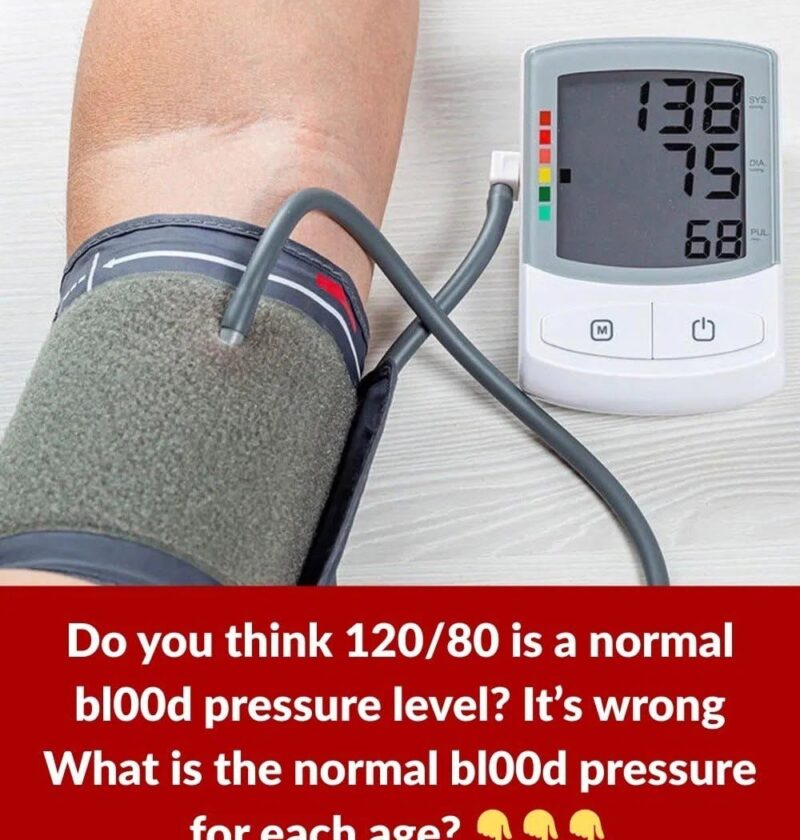
What is Normal Blood Pressure? (By Age)
Blood pressure is written as:
- Systolic (top number) = pressure when heart beats
- Diastolic (bottom number) = pressure when heart rests
A general healthy adult reading is around:
Less than 120/80 mmHg
Children
- 3–5 years: ~95/60 mmHg
- 6–13 years: ~100–115 / 60–75 mmHg
- 14–17 years: ~110–120 / 65–80 mmHg
(Varies with height, weight, and development)
Adults (18–59 years)
- Normal: <120/80 mmHg
- Elevated: 120–129 / <80
- High (Hypertension): ≥130/80
Older adults (60+ years)
- Many healthy older adults: 120–130 / 70–80
- Doctors may accept slightly higher systolic levels depending on health conditions
- Treatment is personalized (not one fixed number for everyone)
Important Medical Insight
There is no separate “perfect BP” for every age like a strict chart. Instead:
- Doctors look at risk level + symptoms + overall health
- A reading that is normal for one person may be risky for another
When Blood Pressure is Dangerous
Seek medical advice if:
- Consistently above 140/90 mmHg
- Or below 90/60 mmHg with symptoms
Warning symptoms:
- Dizziness
- Chest pain
- Shortness of breath
- Severe headache
- Blurred vision