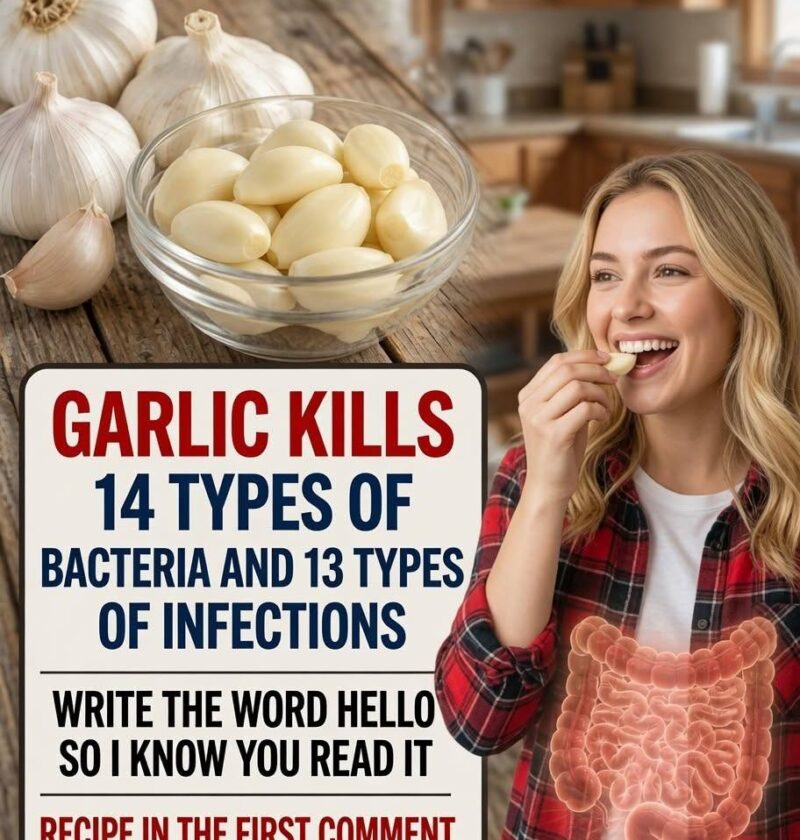
🧄 Garlic: A “Natural Antibiotic” That Helps Fight InfectionGarlic has been used in traditional medicine for centuries, and modern research shows it does contain compounds that may support the body in fighting microbes. But calling it a true “natural antibiotic” is an oversimplification.
🧪 What makes garlic special?
When garlic is crushed or chopped, it produces a compound called allicin.
🧄 Allicin may have:
- Mild antibacterial effects (mostly in lab studies)
- Antifungal activity
- Antiviral support (limited evidence)
- Anti-inflammatory properties
🦠 Can garlic fight infections?
✔ What research suggests:
- May help slow growth of some bacteria in laboratory conditions
- May support immune system function
- May slightly reduce severity of common colds in some people
❌ What it does NOT do:
- It does not replace antibiotics
- It does not cure serious infections (like pneumonia, UTIs, or strep throat)
- It is not a guaranteed treatment for illness
💪 Possible health benefits
Regular use of garlic may support:
❤️ Heart health
- May slightly reduce blood pressure
- May help cholesterol balance in some cases
🛡️ Immune support
- Helps the body respond better to everyday infections
🔥 Anti-inflammatory effects
- May reduce low-level inflammation in the body
🧄 How to use garlic effectively
✔ Crush or chop and let it rest 5–10 minutes (activates allicin)
✔ Use raw or lightly cooked for stronger benefits
✔ Add regularly to meals (soups, vegetables, sauces)
⚠️ Important safety note
- Can irritate the stomach in some people
- May thin the blood (caution with blood-thinning medications)
- Supplements can interact with medicines
- Strong odor is normal
🌟 Bottom line
Garlic is a healthy food with mild antimicrobial and immune-supporting properties, but it is not a substitute for medical antibiotics or treatment.
🧄 Best way to think of it: a supportive food for health, not a cure for infections.
If you want, I can show you how to use garlic safely for colds, immunity, or blood pressure support in daily meals.