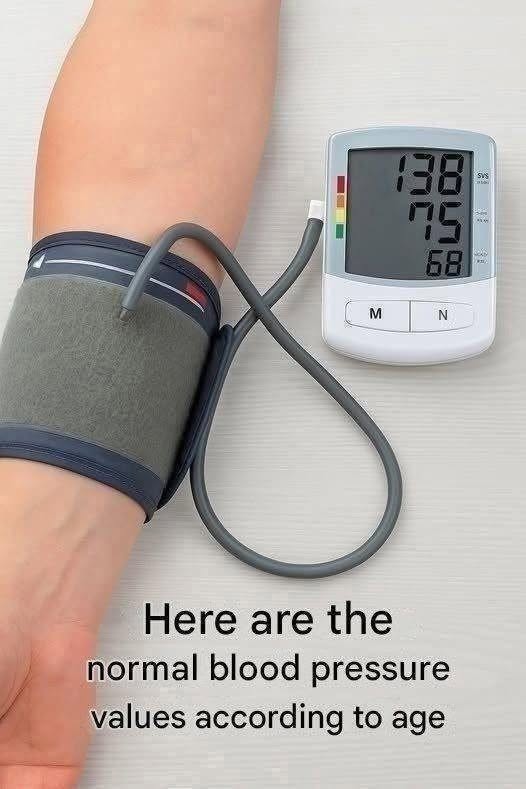
Normal Blood Pressure Values According to Age: What You Should Know
A common misconception is that blood pressure should automatically be higher as you get older. While blood pressure often rises with age, there is no “normal” high blood pressure range simply because someone is older.
For most adults, healthy blood pressure is generally around:
| Age Group | Common Healthy Target (General Guide) |
|---|---|
| 18–39 years | Around below 120/80 mmHg |
| 40–59 years | Around below 120/80 mmHg (individual goals may vary) |
| 60–79 years | Often a goal of below 130/80 mmHg for many people, depending on health |
| 80+ years | Targets are individualized based on overall health, medications, and risk of side effects |
Understanding the Numbers
A blood pressure reading has two numbers:
- Systolic (top number): Pressure when the heart pumps blood.
- Diastolic (bottom number): Pressure when the heart relaxes between beats.
Examples:
- 120/80 mmHg → generally considered a healthy range
- 130/80 mmHg or higher → may be considered elevated or high depending on guidelines and repeated readings
When Blood Pressure May Be Too High
Talk with a healthcare professional if readings are consistently high, especially:
- 140/90 mmHg or above
- 180/120 mmHg or above (especially with symptoms)
Seek urgent medical care for very high readings with symptoms such as:
- Chest pain
- Severe headache
- Shortness of breath
- Confusion
- Weakness or numbness