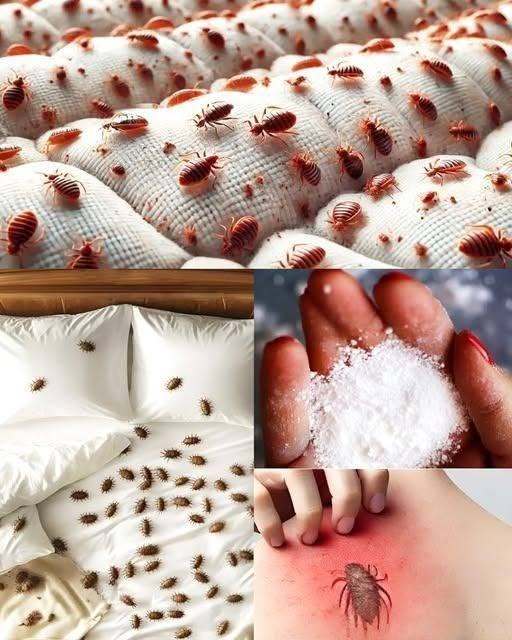
How to Eliminate Bed Bugs at Home Using Natural Methods
Bed bugs are small insects that feed on blood and can quickly become a frustrating household problem. They often hide in mattresses, bed frames, furniture cracks, and other hard-to-reach areas. While professional pest control is sometimes needed for serious infestations, several natural methods can help reduce and manage bed bugs when combined with careful cleaning and prevention.
1. Wash and Heat-Treat Bedding
One of the most effective natural methods is using heat.
- Wash sheets, blankets, pillowcases, and clothing in hot water.
- Dry items on the highest heat setting that the fabric allows.
- Store cleaned items in sealed bags or containers to prevent re-infestation.
High temperatures can kill bed bugs and their eggs when items are exposed long enough.
2. Vacuum Thoroughly and Frequently
Vacuuming can help remove bed bugs and eggs from hiding places.
Focus on:
- Mattress seams and edges
- Bed frames
- Headboards
- Carpet edges
- Furniture cracks
- Baseboards
After vacuuming, empty the vacuum contents into a sealed bag and dispose of it outside the home.
3. Use Steam Cleaning
Steam can be a powerful tool because high heat can kill bed bugs on contact.
Apply steam slowly to:
- Mattress seams
- Upholstered furniture
- Cracks and crevices
- Areas near sleeping spaces
Be careful with moisture-sensitive materials.
4. Reduce Clutter
Bed bugs hide in many small spaces. Removing clutter can make it easier to find and treat hiding areas.
- Keep items off the floor.
- Seal unused clothing and belongings in bags or containers.
- Avoid moving infested items into other rooms.
5. Use Mattress and Pillow Encasements
Special bed bug-proof covers can trap existing insects inside and prevent new ones from hiding in mattresses and pillows. These covers should remain on for an extended period to ensure trapped bugs cannot survive.
6. Try Diatomaceous Earth Carefully
Food-grade diatomaceous earth is a powder that can damage insects’ outer protective layer and cause dehydration.
If used:
- Choose food-grade products only.
- Apply a very thin layer in cracks and hiding areas.
- Avoid creating dust that can be inhaled.
7. Use Natural Scents as a Supportive Measure
Some people use essential oils such as tea tree, lavender, or peppermint because bed bugs may dislike certain odors. However, these methods alone are usually not enough to eliminate an infestation.
They may be used only as a supporting step alongside cleaning and removal methods.
8. Seal Cracks and Hiding Spots
Bed bugs often hide in tiny gaps.
Check and seal:
- Wall cracks
- Loose wallpaper edges
- Furniture joints
- Gaps around baseboards
Reducing hiding places makes treatment more effective.
Important Things to Remember
- Bed bugs are not caused by poor hygiene; they can enter any home through luggage, used furniture, clothing, or visitors.
- DIY methods may help with small infestations, but large infestations often require professional treatment.
- Avoid using unsafe chemicals, excessive sprays, or methods that could harm people or pets.
Final Thoughts
The best natural approach to bed bugs is a combination of heat, cleaning, vacuuming, reducing hiding places, and prevention. Consistency is important because bed bugs can survive in hidden areas and their eggs may hatch later. Early action gives you the best chance of controlling the problem.