If Your Hands Are Going Numb, What Could It Mean?
Hand numbness is a symptom, not a diagnosis. It can have many causes, ranging from temporary nerve pressure to medical conditions that need treatment.
Common causes
1. A pinched or compressed nerve
- Sleeping on your arm
- Repetitive hand or wrist movements
- Neck problems that affect nerves traveling to the hand
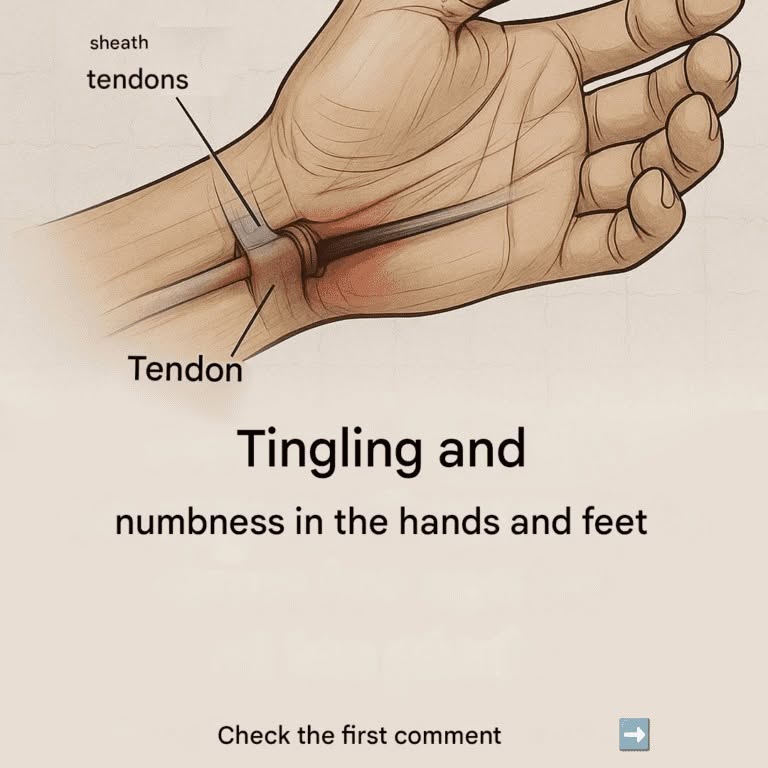
2. Carpal tunnel syndrome
- Compression of the median nerve at the wrist.
- Often causes numbness or tingling in the thumb, index, middle, and part of the ring finger, especially at night.
3. Peripheral neuropathy
- Nerve damage that can be caused by diabetes, vitamin deficiencies, alcohol use, certain medications, or other conditions.
- Symptoms often include numbness, tingling, or burning.
4. Poor circulation
- Reduced blood flow can sometimes contribute to numbness, especially if accompanied by cold or pale fingers.
5. Vitamin deficiencies
- Low levels of vitamin B12 and some other nutrients can affect nerve function.
Less common but important causes
- Stroke or transient ischemic attack (TIA)
- Multiple sclerosis
- Certain autoimmune or inflammatory conditions
Seek emergency medical care immediately if hand numbness occurs with:
- Sudden weakness of the face, arm, or leg (especially on one side)
- Difficulty speaking or understanding speech
- Sudden vision changes
- Loss of balance or coordination
- A sudden, severe headache
These can be signs of a stroke.
When to see a healthcare professional
Arrange an evaluation if the numbness:
- Persists or keeps returning
- Is getting worse
- Wakes you from sleep regularly
- Is associated with weakness, pain, or loss of coordination
Many cases of hand numbness are treatable, but the appropriate treatment depends on identifying the underlying cause.