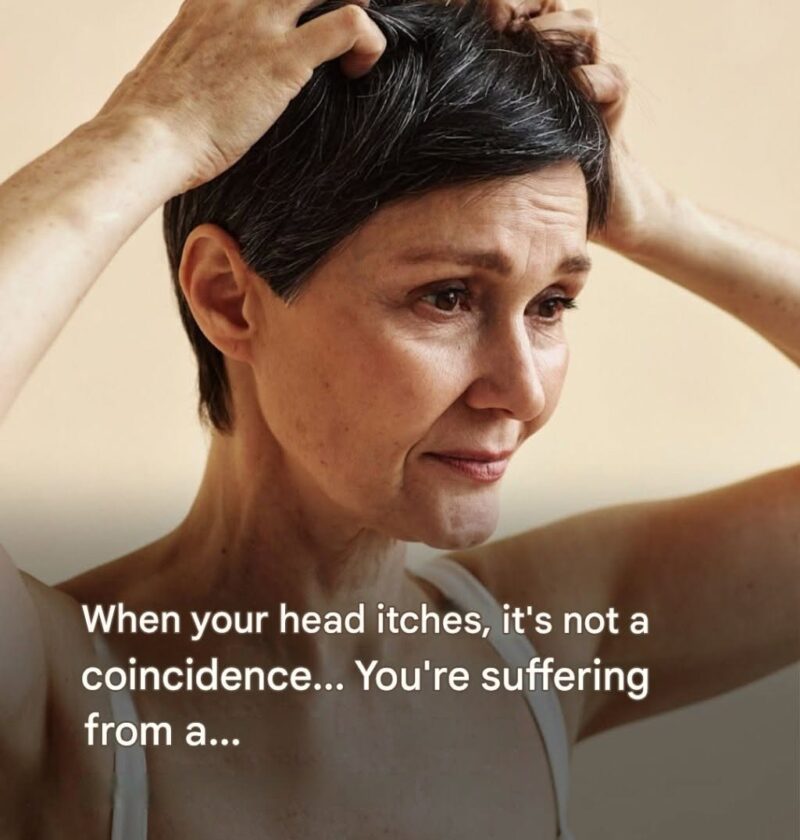
The headline “Itchy scalp: what are the possible causes? Answers from a dermatologist” covers a common symptom with many possible explanations. An itchy scalp is often harmless, but persistent itching can sometimes signal a skin condition that needs treatment.
Common causes of an itchy scalp
- Dandruff (seborrheic dermatitis)
- One of the most frequent causes.
- May cause itching, flakes, redness, and greasy or irritated patches.
- Often linked to an overgrowth of a normal skin yeast called Malassezia and sensitivity to it.
- Dry scalp
- Can happen from dry weather, frequent washing, hot showers, or harsh hair products.
- Usually causes fine flakes and tight, itchy skin.
- Contact dermatitis (reaction to products)
- Hair dyes, shampoos, fragrances, styling products, or preservatives can irritate the scalp.
- May cause itching, burning, redness, or a rash.
- Psoriasis
- An inflammatory skin condition that can affect the scalp.
- Often causes thicker, well-defined patches with silvery scales that may extend beyond the hairline.
- Head lice
- Causes intense itching, especially around the ears and back of the neck.
- Small eggs (nits) may be attached firmly to hair strands.
- Fungal infections
- Scalp ringworm (tinea capitis) can cause itching, scaling, broken hairs, or areas of hair loss.
- More common in children but can occur in adults.
- Folliculitis
- Inflammation of hair follicles can cause itchy, tender bumps or pustules on the scalp.
- Stress and nerve-related itching
- Stress can worsen some scalp conditions.
- Less commonly, nerve irritation can cause itching without obvious skin changes.
Things that may help
- Use a gentle, fragrance-free shampoo if your scalp is irritated.
- Avoid scratching, which can worsen inflammation and cause skin damage.
- Try an anti-dandruff shampoo containing ingredients such as ketoconazole, selenium sulphide, or zinc pyrithione if dandruff is the likely cause.
- Rinse hair products thoroughly and avoid introducing multiple new products at once.
See a healthcare professional or dermatologist if:
- Itching is severe or lasts more than a few weeks.
- There are painful sores, pus, bleeding, or crusting.
- You notice patches of hair loss.
- The scalp is very red, swollen, or thickly scaly.
- Over-the-counter treatments do not help.
Finding the cause is important because treatment differs—for example, dandruff, psoriasis, allergy, and fungal infections require different approaches.