The claim “Medicinal herbs are a natural solution to reduce swollen feet and improve circulation” is partly true but overstated.
Some herbs have been studied for their effects on circulation or swelling, but there is no strong evidence that herbs alone reliably treat swollen feet or poor circulation, and swelling can sometimes be a sign of a serious medical condition.
Examples of herbs that have been researched include:
- Horse chestnut seed extract: May help reduce symptoms of chronic venous insufficiency (poor blood flow in the leg veins), such as leg swelling and discomfort. It should only be used as standardized commercial products, not homemade preparations, as raw horse chestnut is toxic.
- Gotu kola: Some studies suggest it may modestly improve symptoms of chronic venous insufficiency, but the evidence is limited.
- Butcher’s broom: May provide mild relief of leg heaviness or swelling in some people, though more research is needed.
Other ways to reduce swollen feet
Depending on the cause, helpful measures may include:
- Elevating your feet above heart level when resting.
- Walking regularly and avoiding prolonged sitting or standing.
- Wearing compression stockings if recommended by a healthcare professional.
- Reducing excess salt intake if appropriate.
- Managing underlying conditions such as heart disease, kidney disease, or venous insufficiency.
When to seek medical care
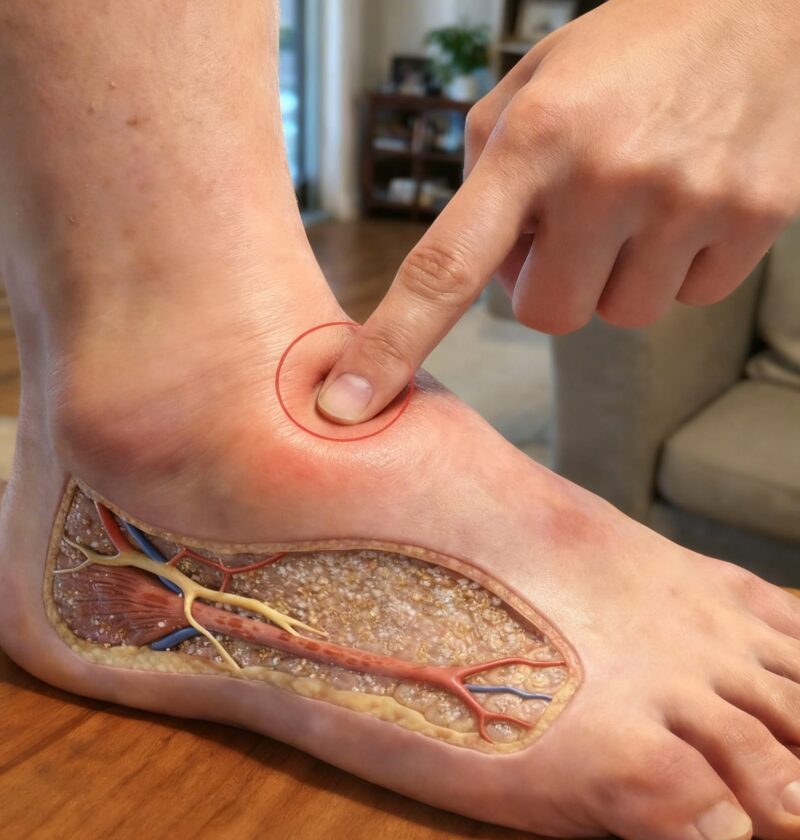
Swollen feet should be evaluated promptly if you have:
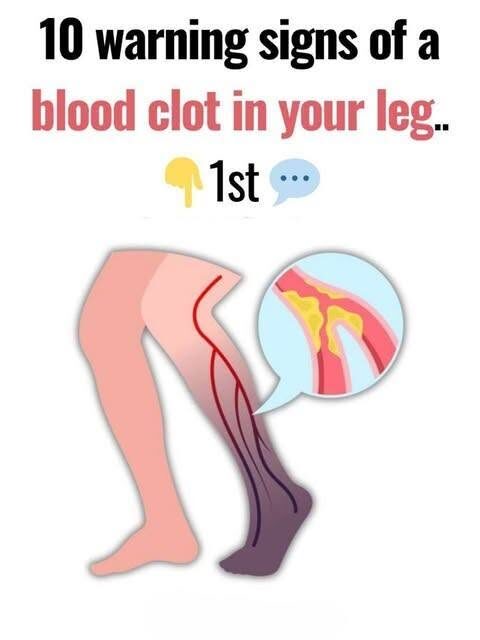
- Swelling in only one leg, especially if it’s painful, red, or warm.
- Sudden or severe swelling.
- Shortness of breath or chest pain.
- Persistent swelling without a clear cause.
Bottom line
Some herbal products may offer modest benefits for certain circulation problems, but they are not a proven cure for swollen feet or poor circulation. Persistent or unexplained swelling should be assessed by a healthcare professional to identify and treat the underlying cause.