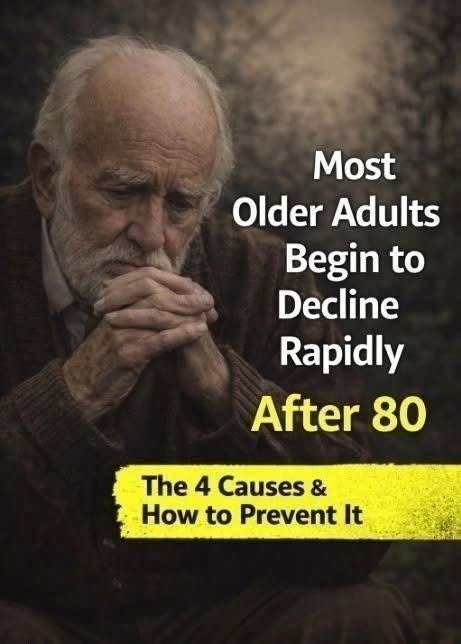
“Most Older Adults Don’t Live Much Longer After 80” — Is That True?
No. That headline is misleading. Reaching 80 does not mean that a person is near the end of life. Life expectancy is an average, not a deadline, and many people live well into their 90s.
For example, U.S. Social Security life tables show that life expectancy increases substantially for people who reach older ages, although it naturally becomes shorter with advancing age. The tables also show different averages for men and women. (Social Security Administration)
What matters more than age alone?
An 80-year-old’s outlook depends greatly on:
- ❤️ Heart and blood-vessel health
- 🩺 Blood pressure, diabetes, and cholesterol control
- 🚶 Mobility and physical activity
- 🧠 Cognitive and mental health
- 🍎 Nutrition and weight
- 🚭 Smoking and alcohol use
- 🏥 Existing illnesses and overall functional ability
So “80” isn’t a point at which someone should assume they have only a few years left.
Life-expectancy tables describe populations, not individual people. The Social Security Administration specifically defines life expectancy at an age as the average remaining years based on mortality rates—it cannot predict when a particular individual will die. (Social Security Administration)
Bottom line: Turning 80 is not a countdown. Staying physically active, managing chronic conditions, maintaining social connections, eating well, and getting appropriate preventive care can all contribute to healthier aging.