The statement “most older adults don’t live much past 80” is an oversimplification. Many people live well into their 80s, 90s, and beyond, and life expectancy varies greatly depending on health, genetics, lifestyle, medical care, and environment.
That said, the risk of certain health problems does increase with age. Here are 4 common factors that can affect longevity after age 80:
1. Cardiovascular disease
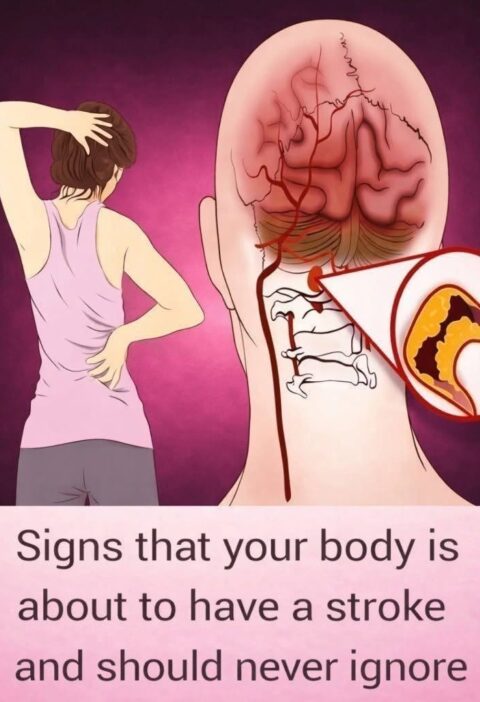
Heart disease and stroke remain major health concerns in older adults. Risk can be influenced by:
- High blood pressure
- High cholesterol
- Smoking history
- Diabetes
- Physical inactivity
Helpful habits: Regular movement, managing blood pressure, eating a heart-healthy diet, and following medical advice.
2. Loss of muscle strength and mobility
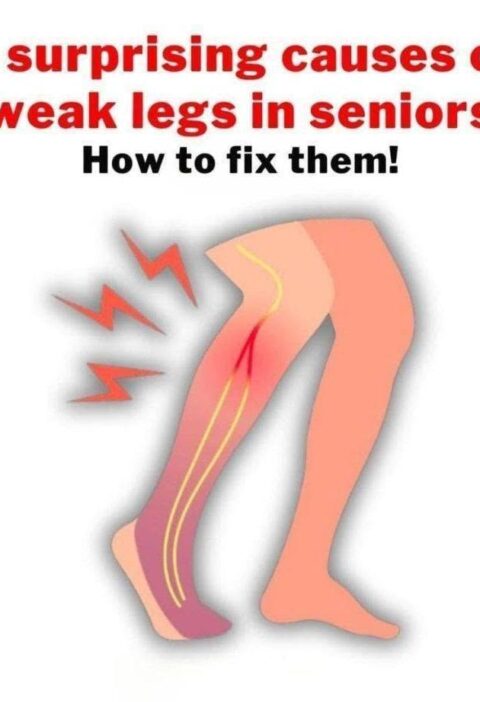
Age-related muscle loss (sarcopenia) can increase the risk of:
- Falls
- Fractures
- Loss of independence
Helpful habits:
- Strength training (adapted to ability)
- Adequate protein intake
- Balance exercises
- Staying socially and physically active
3. Chronic illnesses
Conditions such as diabetes, kidney disease, lung disease, and some cancers become more common with age.
Helpful habits:
- Regular checkups
- Taking medications as prescribed
- Monitoring health conditions early
4. Frailty and reduced resilience
Some older adults become more vulnerable to infections, injuries, and sudden health changes.
Helpful habits:
- Maintaining good nutrition
- Staying connected with others
- Getting enough sleep
- Preventing falls at home