If you’re looking for a homemade weed killer, there are a few options that can be effective in the right situations. Keep in mind that “natural” doesn’t always mean harmless—even household ingredients can damage desirable plants and affect soil.
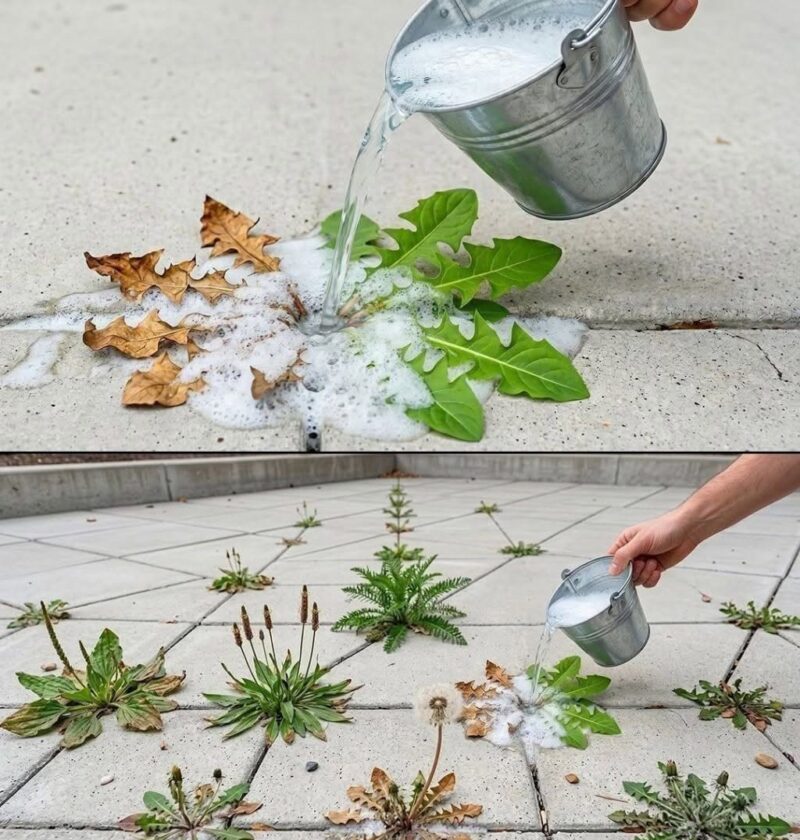
1. Boiling water
- Pour directly onto weeds growing in cracks in sidewalks, driveways, or patios.
- Best for young weeds.
- Avoid splashing nearby ornamental plants.
2. Vinegar spray
- Household vinegar (about 5% acetic acid) can kill the leaves of small, young weeds.
- Spray on a dry, sunny day, coating the foliage thoroughly.
- It works best on annual weeds and may require repeat applications.
- Be careful—it can also damage any plant it contacts.
3. Hand weeding
- Removing the entire root is often the most effective long-term solution for perennial weeds like dandelions.
4. Mulch
- Apply 2–4 inches of wood chips, bark, straw, or other organic mulch around garden plants.
- This blocks sunlight and helps prevent new weeds from germinating.
What about vinegar, salt, and dish soap?
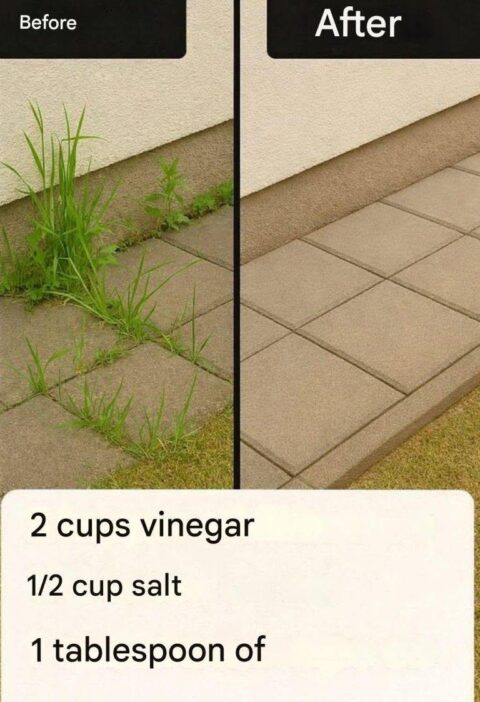
A common recipe is:
- 1 gallon white vinegar
- 1 cup salt
- 1 tablespoon dish soap
While this mixture can kill weeds, salt is generally not recommended in gardens. It can remain in the soil, harming future plants and beneficial soil organisms, and may wash into surrounding areas. Dish soap can help the spray stick to leaves but doesn’t make it more selective.
Best uses
- Driveways and sidewalks: Boiling water or vinegar can work well.
- Vegetable and flower gardens: Hand-pulling and mulching are usually the safest and most sustainable methods.
- Large or established perennial weeds: You may need repeated treatment or physical removal of the roots, as homemade sprays often kill only the top growth.
For most home gardens, a combination of mulch, regular hand weeding, and targeted use of boiling water or vinegar on hard surfaces provides effective weed control without risking long-term soil damage from salt.