Vitamins, Stroke Risk, and Brain Health in Older Adults: What the Evidence Shows
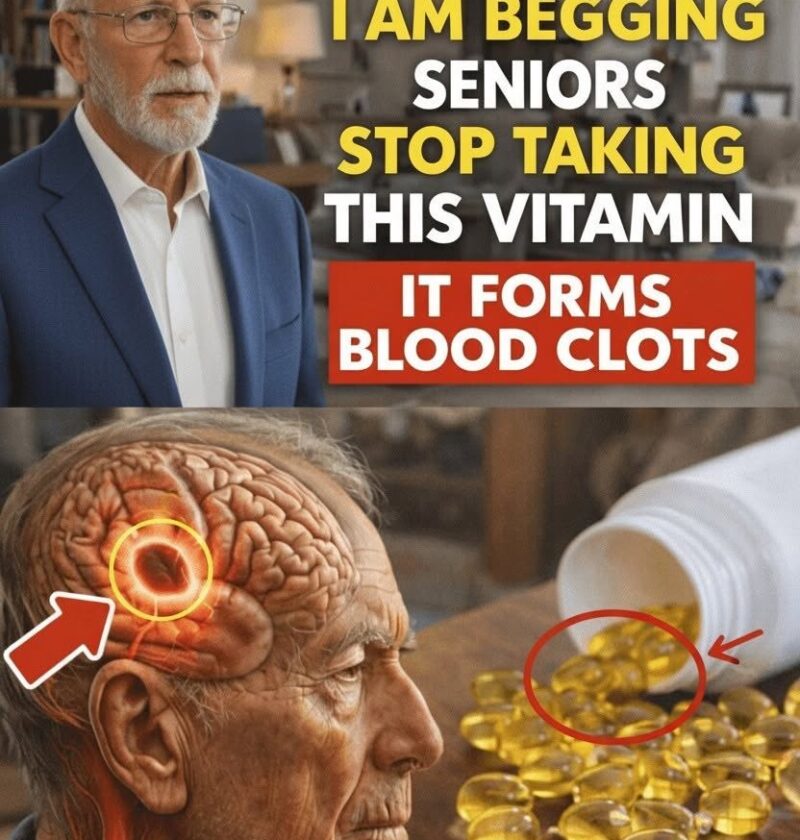
Headlines suggesting that certain vitamins either cause or prevent strokes are often misleading. For most people, vitamins are neither a guaranteed protection nor a major cause of stroke. Their effects depend on the specific vitamin, whether a person has a deficiency, and their overall health.
Vitamins that may matter
Vitamin B12
- Low B12 levels are more common in older adults.
- A deficiency can cause anemia, numbness, balance problems, and memory difficulties.
- Treating a confirmed deficiency is important, but taking extra B12 if your levels are normal has not been shown to prevent strokes.
Folate (Vitamin B9) and Vitamin B6
- These vitamins help regulate homocysteine, an amino acid in the blood.
- In some populations with low folate intake, supplementation may modestly reduce stroke risk.
- However, they are not a substitute for controlling major stroke risk factors.
Vitamin D
- Low vitamin D is associated with several health conditions, but research has not consistently shown that taking vitamin D supplements prevents strokes or improves brain health in people without a deficiency.
Vitamin E
- High-dose vitamin E supplements are generally not recommended for stroke prevention.
- In some studies, high doses have been linked to an increased risk of bleeding, including certain types of stroke.
The biggest factors affecting stroke risk
The strongest evidence supports managing:
- High blood pressure
- Diabetes
- High cholesterol
- Smoking
- Physical inactivity
- Atrial fibrillation (an irregular heart rhythm)
- Excess alcohol consumption
Supporting brain health
Evidence-based habits include:
- Regular physical activity
- A diet rich in vegetables, fruits, whole grains, legumes, fish, and healthy fats
- Good sleep
- Staying socially and mentally active
- Managing hearing and vision problems
- Controlling cardiovascular risk factors
Before taking supplements
Talk to a healthcare professional before starting high-dose vitamin supplements, especially if you:
- Take blood thinners
- Have kidney disease
- Have liver disease
- Take multiple medications