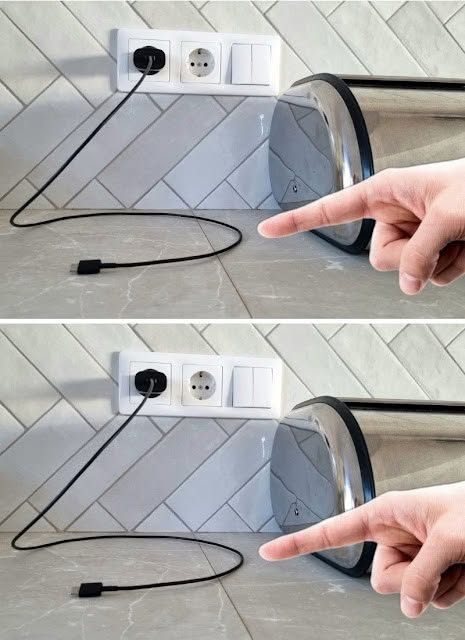
Should You Leave a Phone Charger Plugged In Without Your Phone? 3 Things to Know
The claim that you should “never leave a charger in an outlet without your phone” is often exaggerated, but there are some real reasons why unplugging unused chargers can be a good habit—especially with older or poor-quality chargers.
1. Small amounts of electricity are still used
A charger that remains plugged in may continue to draw a tiny amount of power, even when no phone is connected. This is called standby power or phantom load.
- A single modern, efficient charger usually uses very little energy.
- Multiple chargers and electronics left plugged in all the time can add up over months and years.
2. Heat and component aging
Chargers contain electronic components that can slowly wear over time.
Leaving a charger plugged in constantly may contribute to:
- Slight warming of the adapter
- Faster aging of internal parts
- Reduced lifespan, especially for cheap or damaged chargers
A quality charger from a reputable manufacturer is generally designed to handle normal standby conditions.
3. Safety risks from damaged or low-quality chargers
The biggest concern is not simply being plugged in—it is the condition and quality of the charger.
Higher-risk situations include:
- Frayed cables
- Cracked adapters
- Counterfeit chargers
- Loose wall outlets
- Chargers covered by bedding or other materials that trap heat
These can increase the risk of overheating or electrical problems.
Best practices for charger safety
✅ Use certified chargers from reliable brands
✅ Replace damaged cables or adapters
✅ Keep chargers away from water and excessive heat
✅ Avoid covering chargers while they are plugged in
✅ Unplug chargers you do not use for long periods (such as when traveling)
Bottom line
A modern, good-quality charger left plugged into an outlet is unlikely to be dangerous by itself, but unplugging unused chargers can reduce energy waste, protect equipment, and eliminate risks from damaged or poor-quality devices.