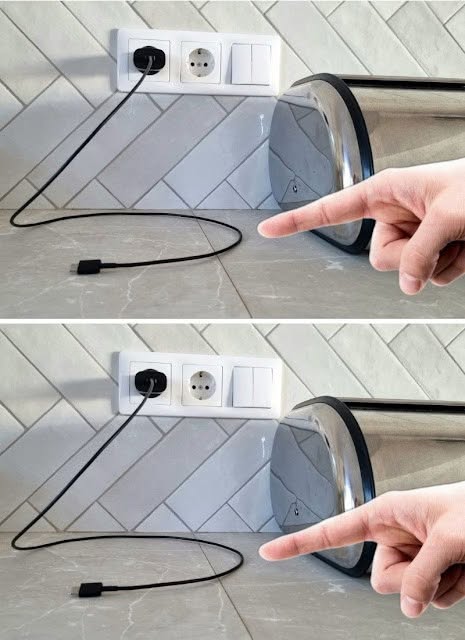
The headline “NEVER LEAVE A CHARGER IN AN OUTLET WITHOUT YOUR PHONE” is a common viral warning, but it’s more accurate to say: don’t use unsafe chargers or leave damaged equipment unattended.
The three main concerns people usually mean are:
1. Faulty or low-quality chargers can overheat
- Cheap counterfeit chargers may lack proper safety features.
- Damaged adapters or cables can short-circuit, overheat, or become a fire risk.
2. A plugged-in charger still uses a small amount of electricity
- Even when not charging a phone, many modern chargers draw a tiny amount of standby power.
- The energy use is usually very small, but unplugging unused devices can reduce waste.
3. Chargers can be damaged by heat, moisture, or power problems
- Leaving electronics plugged in in hot, damp, or unstable electrical conditions may shorten their lifespan.
- Unplugging chargers during severe storms or when leaving home for long periods can be a reasonable precaution.
Safer charging habits:
- Use original or certified chargers.
- Replace cracked plugs, frayed cables, or chargers that get unusually hot.
- Avoid charging under pillows, blankets, or on soft surfaces that trap heat.
- Don’t use a charger that smells burnt, makes unusual noises, or shows signs of damage.
A properly made charger from a reputable brand that is left plugged into a normal outlet is not automatically dangerous. The bigger risks come from poor-quality, damaged, or improperly used charging equipment.