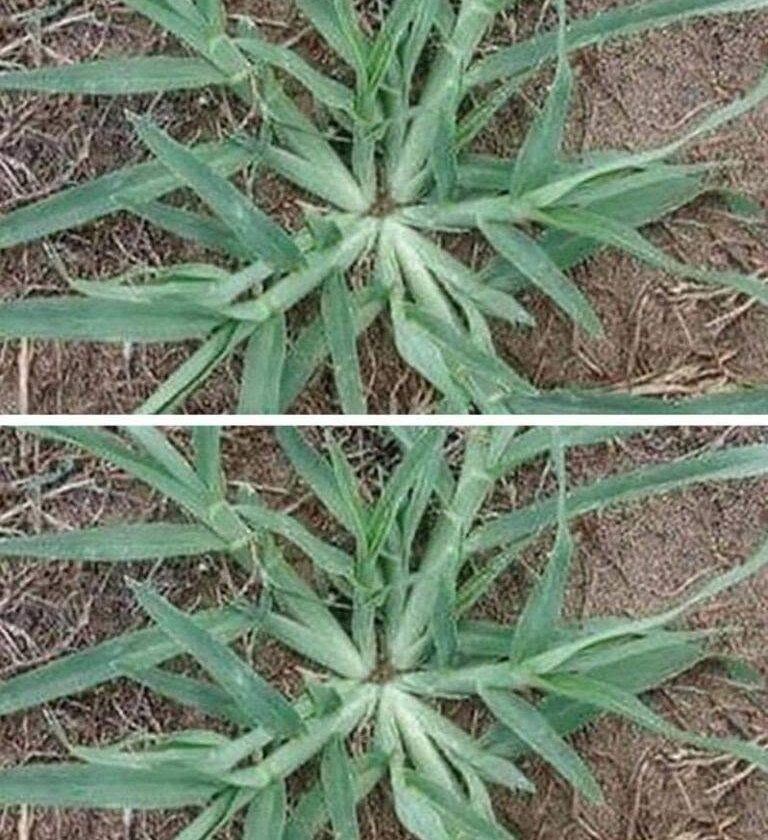
The viral headline “Never uproot this plant if it appears in your garden” is referring to purslane (Portulaca oleracea). The article presents it as an edible, nutritious plant that many people mistake for an ordinary weed.
🌿 Why purslane is worth recognizing
Purslane is a low-growing succulent with fleshy leaves and reddish stems. It commonly appears in warm weather, especially in sunny, dry areas. It is also cultivated and eaten in many cuisines.
It provides:
- Plant-based omega-3 (ALA)
- Fiber
- Vitamin C and vitamin A
- Minerals such as magnesium, potassium, calcium and iron
- Various antioxidant compounds
It also tolerates heat and drought remarkably well. Gardening sources note that purslane can grow successfully in full sun and is valued as a heat-tolerant plant.
🍽️ How people eat it
Young leaves and tender stems can be:
- Added to salads
- Mixed into yogurt or chutney
- Added to soups and stews
- Lightly sautéed with garlic
- Used as a fresh garnish
It has a slightly tangy, lemon-like flavor and a crisp, succulent texture.
⚠️ Don’t confuse it with spurge
This is extremely important if you’re thinking about eating a plant that appeared spontaneously.
Purslane: fleshy leaves and stems, no milky white sap.
Spurge: generally thinner stems and produces white, milky sap when broken; it should not be eaten.
Never rely on a single characteristic to identify a wild plant. If you’re uncertain, have it positively identified before consuming it.
🌱 Should you literally “never uproot” it?
No. The headline is exaggerated.
If purslane is growing among vegetables or ornamental plants, it can compete for space, water and nutrients, and it can spread readily. You can remove it if it’s growing where you don’t want it.
But if you have a clean, pesticide-free patch and correctly identify it, you can choose to harvest it rather than throw it away.
One more caution: purslane contains oxalates, so people who need to restrict oxalate-rich foods should be cautious about eating large amounts. And never eat a wild plant simply because it resembles purslane