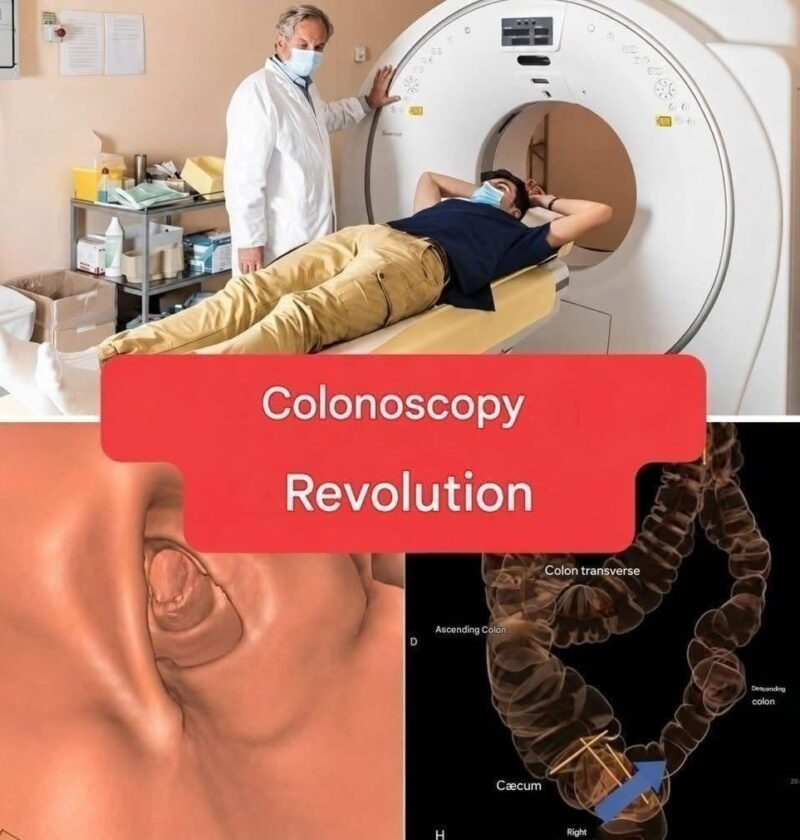
Headlines like “New method: colonoscopy will no longer be an invasive examination” are often exaggerated. There are promising alternatives to traditional colonoscopy, but they do not replace it in every situation.
Some newer or less invasive options include:
- Stool DNA tests (such as Cologuard): These can detect signs of colorectal cancer and some precancerous polyps from a stool sample collected at home. If the result is positive, a standard colonoscopy is still needed.
- Fecal immunochemical test (FIT): A simple at-home stool test that looks for hidden blood. It is effective for screening when done regularly, but a positive result requires a colonoscopy.
- CT colonography (“virtual colonoscopy”): Uses CT imaging to examine the colon. It is less invasive than a traditional colonoscopy but still requires bowel preparation, and if an abnormality is found, a conventional colonoscopy is needed to remove polyps or take biopsies.
- Colon capsule endoscopy: In some cases, a person swallows a small camera capsule that takes images of the digestive tract. This is not suitable for everyone and does not allow treatment during the procedure.
A traditional colonoscopy remains the gold standard because it allows the doctor to find, biopsy, and remove polyps during the same procedure, which the less invasive tests cannot do.
If you saw this headline on social media, it’s likely referring to one of these newer screening methods rather than the complete replacement of colonoscopy. The best screening test depends on your age, risk factors, symptoms, and medical history. If you’re eligible for colorectal cancer screening, a healthcare professional can help you choose the most appropriate option.