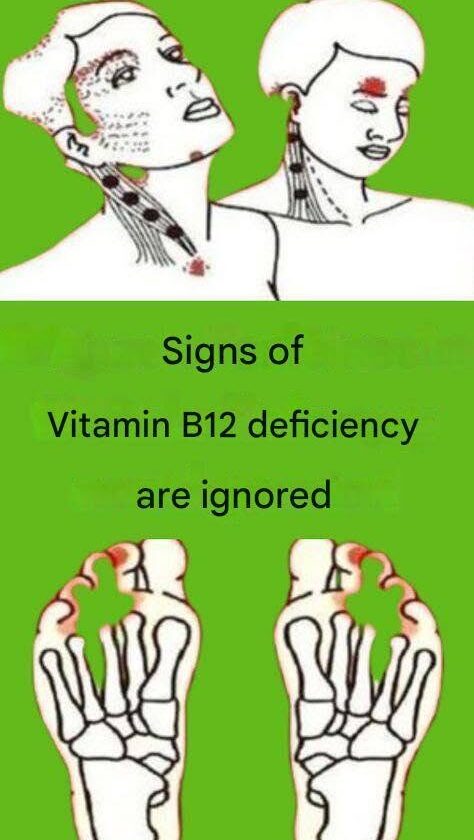
Here are 10 signs of vitamin B12 deficiency that are often overlooked:
1. Persistent Fatigue or Weakness
Low B12 levels can reduce healthy red blood cell production, which may lead to tiredness, low energy, and reduced stamina.
2. Numbness or Tingling in the Hands and Feet
B12 is important for nerve health. A deficiency may cause “pins and needles,” burning sensations, or unusual sensitivity.
3. Balance Problems or Difficulty Walking
Nerve damage related to low B12 can affect coordination and stability, increasing the risk of falls.
4. Memory Problems or Trouble Concentrating
Some people with B12 deficiency experience brain fog, forgetfulness, or difficulty focusing.
5. Mood Changes
Low B12 levels may be associated with irritability, low mood, or symptoms that resemble depression.
6. Pale Skin or a Sore Tongue
B12 deficiency can cause a type of anemia that may lead to paleness, a smooth red tongue, or mouth discomfort.
7. Vision Changes
In rare cases, severe B12 deficiency can affect the optic nerve and contribute to vision problems.
8. Shortness of Breath or Dizziness
Anemia caused by insufficient B12 may reduce oxygen delivery in the body, leading to breathlessness or lightheadedness.
9. Reduced Appetite or Weight Loss
Some people may experience changes in appetite or unexplained weight changes.
10. Muscle Weakness
Nerve and muscle function can be affected, causing weakness or reduced physical ability.
Who May Be at Higher Risk?
Vitamin B12 deficiency is more common among:
- Older adults
- People with limited intake of animal-based foods
- Those with certain digestive conditions
- People who have had some stomach or intestinal surgeries
- People taking certain medications that affect B12 absorption (such as some acid-reducing medicines or metformin)
What to Do
If you have symptoms that suggest B12 deficiency, a healthcare professional can check levels with blood tests and recommend appropriate treatment. Treatment may include dietary changes, oral supplements, or injections depending on the cause and severity.
Important: These symptoms can have many causes, so they should not automatically be attributed to vitamin B12 deficiency. Proper evaluation helps identify the real cause and the right treatment.