Why Vitamin B12 is important
Vitamin B12 (cobalamin) helps your body:
- Produce healthy red blood cells
- Maintain proper nerve function
- Support brain health and memory
- Create DNA and energy in cells
A deficiency develops slowly, which is why symptoms are often missed.
Early signs that are commonly ignored
1. Constant tiredness and weakness
One of the earliest signs is feeling unusually tired even after rest. This happens because low B12 can reduce red blood cell production, leading to less oxygen reaching the body.
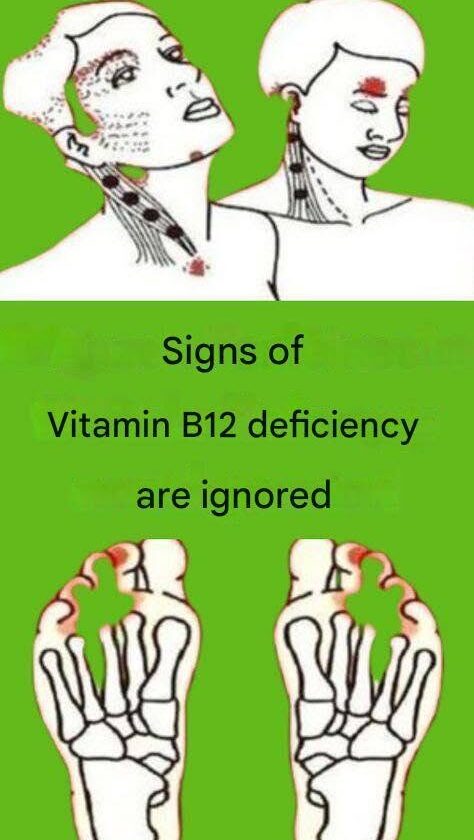
2. Tingling or numbness in hands and feet
This “pins and needles” feeling is a nerve-related symptom. It is often ignored or blamed on poor posture, but it can be an early warning sign of nerve damage from low B12.
3. Memory problems and brain fog
Difficulty concentrating, forgetfulness, or feeling mentally slow can be linked to B12 deficiency. It is sometimes mistaken for stress or lack of sleep.
4. Pale or slightly yellow skin
Low B12 can affect red blood cells, sometimes causing mild anemia. This can make the skin look paler or slightly yellowish.
5. Shortness of breath or dizziness
Even light activity may cause breathlessness or dizziness due to reduced oxygen supply in the blood.
6. Mood changes
Irritability, depression-like symptoms, or mood swings can appear. This is because B12 plays a role in brain chemicals that regulate mood.
7. Sore tongue or mouth issues
A smooth, red, or swollen tongue and frequent mouth ulcers can also be early signs.
Why these signs are ignored
These symptoms are often mistaken for:
- Stress or anxiety
- Poor sleep
- Iron deficiency
- Normal aging
- General fatigue from work or study
Because they develop slowly, people tend to adjust to them instead of investigating the cause.
Who is at higher risk?
You are more likely to develop B12 deficiency if you:
- Follow a strict vegetarian or vegan diet
- Are over 50 (reduced absorption with age)
- Have stomach or intestinal issues
- Take certain long-term medications (like acid-reducing drugs)
What happens if it’s not treated?
If left untreated, deficiency can lead to:
- Nerve damage (sometimes permanent)
- Severe anemia
- Memory decline
- Balance problems
How it is diagnosed and treated
A simple blood test can confirm B12 levels. Treatment may include:
- Dietary changes (eggs, dairy, meat, fortified foods)
- B12 tablets or supplements
- Injections in more severe cases
Final thought
Vitamin B12 deficiency is often silent at first, but the body does give warning signs—fatigue, tingling, and brain fog are among the most common. The key is not to ignore these small changes and get tested early if symptoms persist.
If you want, I can also make a short checklist version, a poster for social media, or explain B12-rich foods you can easily get in Pakistan.