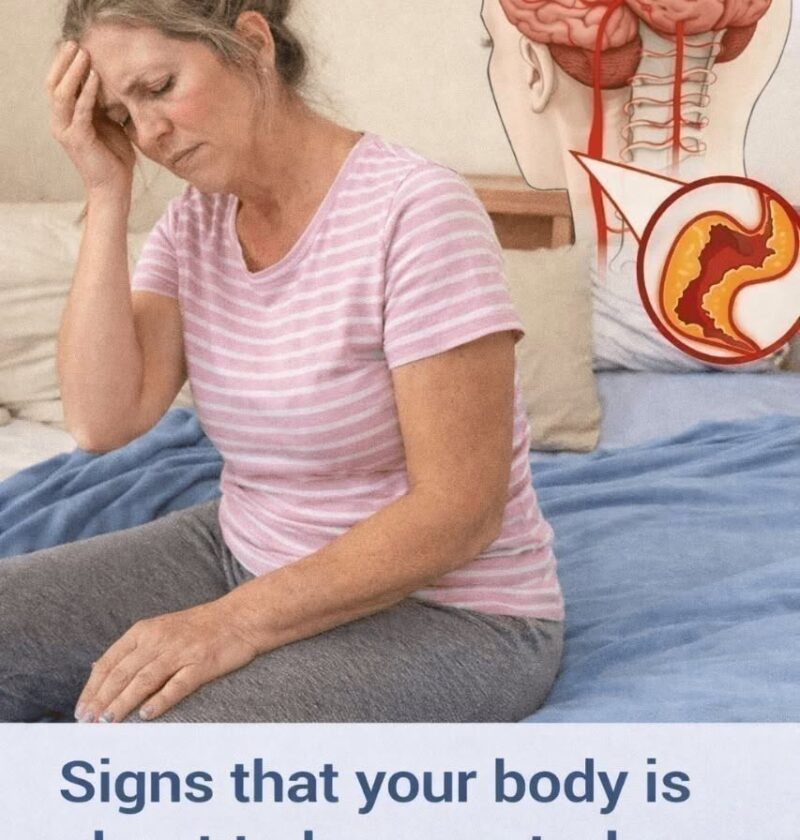
A Stroke usually happens suddenly, but in some cases the body gives warning signs—especially if a transient ischemic attack (TIA) occurs beforehand. These signs should never be ignored because early treatment can prevent permanent brain damage.
Here are the key warning signs to watch for:
Sudden neurological symptoms (most important)
1. Face drooping
One side of the face may become uneven or numb.
2. Arm or leg weakness
Sudden weakness or numbness, often on one side of the body.
3. Speech difficulty
Slurred speech, trouble finding words, or confusion when speaking.
👉 These three are part of the FAST warning system (Face, Arm, Speech, Time).
Other serious warning signs
4. Sudden vision changes
Blurred vision, double vision, or loss of vision in one eye.
5. Loss of balance or coordination
Dizziness, stumbling, or trouble walking.
6. Sudden severe headache
Especially a “worst ever” headache, more common in bleeding-related stroke.
7. Confusion or disorientation
Difficulty understanding simple instructions or surroundings.
8. Numbness or tingling
Especially if it comes on suddenly and affects one side.
Possible early warning episodes (TIA)
Sometimes symptoms appear briefly and then disappear. This may be a Transient ischemic attack (TIA), which is often called a “mini-stroke.”
Even if symptoms last only minutes, it is a medical emergency warning sign because stroke risk is significantly higher afterward.
When to act immediately
Call emergency services right away if any of these occur suddenly:
- Face drooping
- Arm or leg weakness
- Speech problems
- Sudden vision loss
- Severe unexplained headache
Do not wait for symptoms to improve.
Key takeaway
A Stroke does not usually give long, obvious advance notice. The safest approach is:
- Recognize sudden changes immediately
- Treat even brief episodes (TIA) as emergencies
If you want, I can also give you a simple stroke prevention checklist based on blood pressure, sugar, and lifestyle risk factors—that’s where the biggest impact really is.