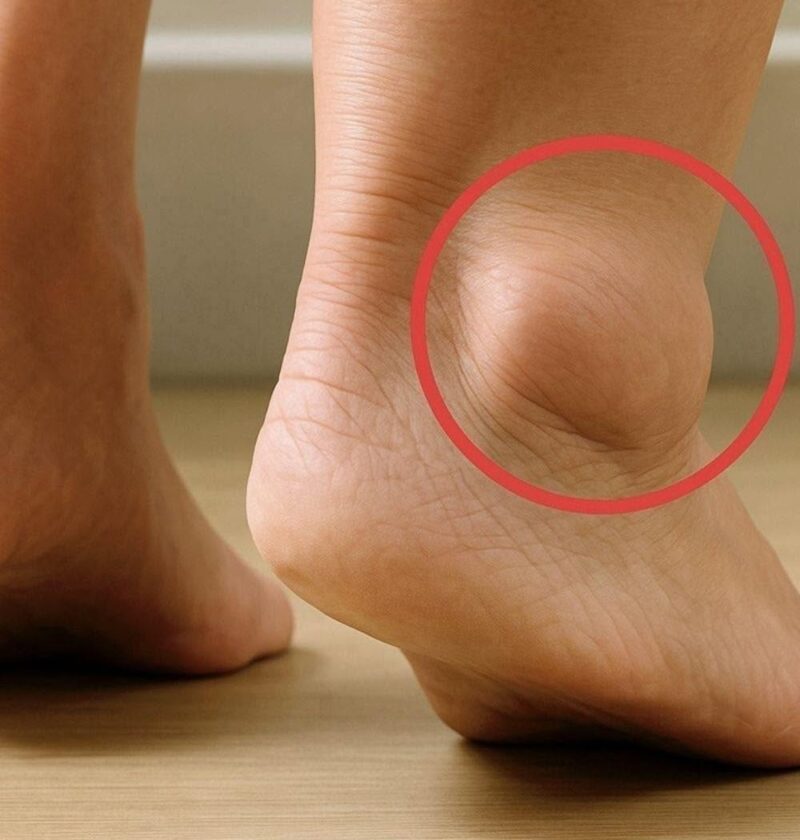
Swollen Feet in Older Adults: Common Causes and Prevention
Swollen feet and ankles are common in older adults and are often caused by edema, meaning excess fluid has collected in the tissues. Sometimes it’s harmless, but persistent or new swelling can also signal an underlying medical problem.
M
Mayo Clinic
+1
Common causes
Sitting or standing for long periods: Less movement allows fluid to accumulate in the legs and feet.
Too much sodium: Salt can cause the body to retain more fluid.
N
National Institute on Aging
Vein problems: Chronic venous insufficiency can cause blood to pool in the legs.
Medications: Some blood-pressure medicines, anti-inflammatory drugs, steroids, and certain diabetes medicines can cause swelling.
M
Mayo Clinic
Heart, kidney, or liver disease: These conditions can interfere with the body’s normal fluid balance. Heart failure, for example, can cause swelling in the feet, ankles, and legs.
M
Mayo Clinic
+1
Heat: Hot weather can cause temporary swelling of the ankles and feet, particularly in older adults.
N
National Institute on Aging
What may help prevent or reduce it?
Keep moving: Walking and gentle leg exercises help the leg muscles push fluid back toward the heart.
Elevate your legs: When resting, raise your feet above heart level when practical.
M
Mayo Clinic
Reduce excess salt: Choose fresh foods more often and limit highly processed, salty foods.
Avoid sitting in one position for long periods: Get up and move around regularly.
Wear comfortable shoes and avoid tight socks or clothing.
Ask about compression stockings: They can help some types of edema, but it’s best to have a healthcare professional determine whether they’re appropriate for you.
M
Mayo Clinic
When swelling needs prompt attention
Sudden swelling in one leg, particularly with pain, warmth, redness, or tenderness, can indicate a blood clot and needs urgent medical assessment.
M
Mayo Clinic
+1
Seek emergency care if swelling occurs with chest pain, significant shortness of breath, coughing up blood, fainting, or severe dizziness, because these can indicate a potentially life-threatening problem.
M
Mayo Clinic
If swelling is new, persistent, worsening, or unexplained—even if it doesn’t hurt—it’s worth having a clinician identify the cause rather than simply treating the swelling at home.
M
N
Sources