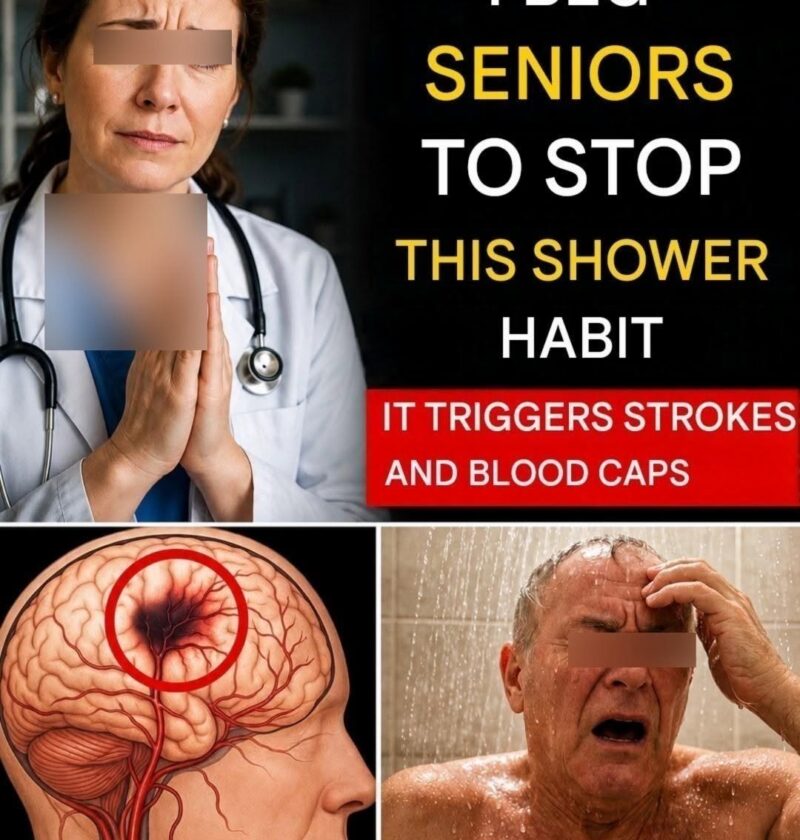
“This Shower Habit Increases the Risk of Stroke Overnight” — Is It True?This kind of headline is sensationalized. There is no strong scientific evidence that a specific shower habit, by itself, causes a stroke overnight.
What we do know
For most healthy people, taking a shower—whether in the morning or evening—is not linked to an increased risk of stroke.
However, certain situations may pose risks, particularly for older adults or people with heart or blood pressure conditions:
- Very hot showers can temporarily lower blood pressure, leading to dizziness or fainting and increasing the risk of falls.
- Sudden exposure to very cold water may briefly raise blood pressure and heart rate, which can put extra strain on the cardiovascular system in susceptible individuals.
- If you feel lightheaded, weak, or dizzy while showering, it’s important to sit down if possible, turn off the water, and seek medical advice if it keeps happening.
Real ways to reduce stroke risk
The biggest, evidence-based ways to lower stroke risk include:
- Keeping blood pressure under control
- Managing diabetes and cholesterol
- Not smoking
- Exercising regularly
- Eating a balanced diet
- Taking prescribed medications as directed
- Limiting excessive alcohol intake
Stroke warning signs: Act fast
Seek emergency medical care immediately if you or someone else suddenly develops:
- Face drooping on one side
- Arm weakness or numbness
- Speech difficulty or confusion
- Sudden vision loss
- Sudden severe headache
- Trouble walking, dizziness, or loss of balance
These symptoms require urgent treatment—every minute matters.
Bottom line: There is no evidence that a common shower habit alone causes strokes. Viral posts often exaggerate risks to attract attention. The most effective way to reduce stroke risk is to manage known risk factors and recognize the warning signs early.