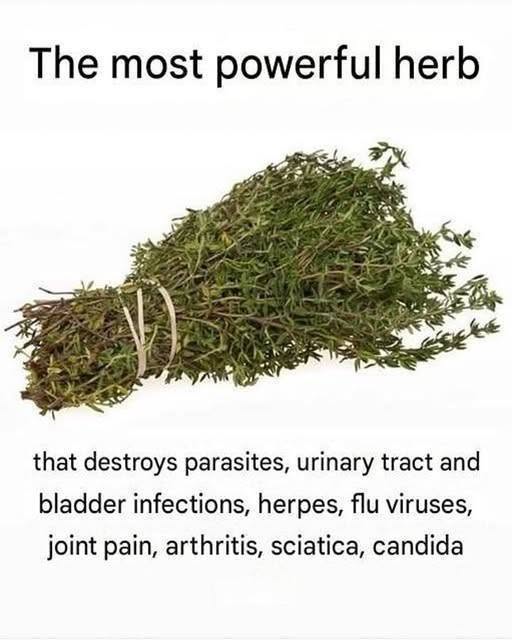
That headline is a repeat of a very common wellness myth pattern: “one powerful herb cures multiple serious conditions.” In reality, that’s not how either parasite infections or urinary tract infections (UTIs) work.
First: there is no single “most potent herb”
No herb is proven to reliably:
- “Destroy parasites” in humans across the board
- AND treat urinary tract infections effectively
Those are two different medical problems with different causes.
Parasites (what actually works)
Parasites vary widely (worms, protozoa, etc.), and treatment depends on the type:
- Doctors use specific antiparasitic medications (e.g., albendazole, metronidazole depending on the organism)
- These are targeted, tested, and dosed properly
Some herbs are studied for possible supportive effects, like:
- Garlic
- Wormwood
- Black walnut
- Clove
But:
- Evidence in humans is limited or inconsistent
- They are not reliable cures
- “Parasite cleanse” products are often unregulated and exaggerated
UTIs (what actually works)
Most UTIs are bacterial (often E. coli):
- Standard treatment is antibiotics prescribed by a clinician
- Untreated UTIs can spread to kidneys (serious risk)
Some supportive options:
- Cranberry products: may slightly reduce recurrence in some people (prevention, not treatment)
- Hydration: helps flush urinary tract
But again:
- Herbs do not reliably cure active UTIs
Why these “miracle herb” claims spread
They usually combine:
- Real plants with mild antimicrobial properties in lab studies
- Overstated internet claims
- “Cure-all” marketing language
This turns “may have some effect in research” into “destroys parasites and infections.”