Several physical changes can sometimes be associated with liver disease, but none of them are specific enough to diagnose it on their own. Many have other, less serious causes as well.
Here are some visible signs that may warrant medical evaluation, especially if they occur together or with symptoms like fatigue, abdominal swelling, or dark urine:
- Yellowing of the skin or eyes (jaundice) – Caused by a buildup of bilirubin.
- Easy bruising or bleeding – The liver produces proteins needed for blood clotting.
- Spider-like blood vessels (spider angiomas) – Small, red, spider-shaped blood vessels, often on the face, neck, or chest.
- Red palms (palmar erythema) – Persistent redness of the palms.
- Swelling of the abdomen (ascites) – Fluid buildup can make the abdomen appear enlarged.
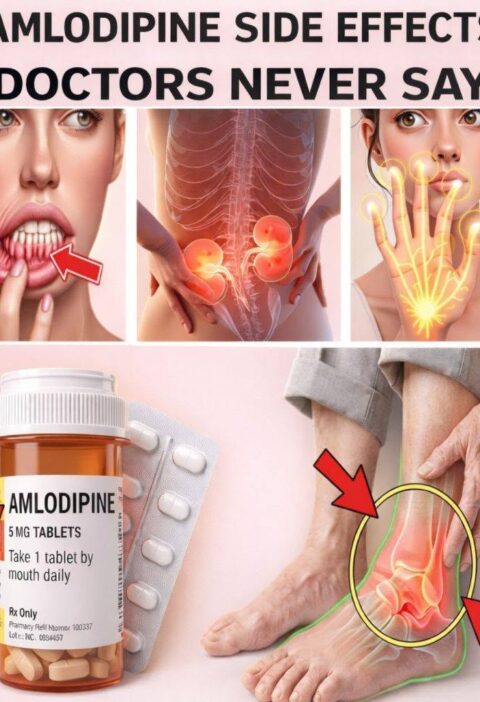
- Swelling of the legs or ankles (edema) – Fluid retention may cause puffiness in the lower limbs.
- Dark urine and pale or clay-colored stools – May indicate problems with bile flow.
- Persistent itchy skin – Can occur when bile salts accumulate in the body.
- Muscle wasting or unexplained weight loss – May be seen in advanced liver disease.
- Confusion, sleepiness, or personality changes – In advanced liver disease, toxins can affect brain function (a condition called hepatic encephalopathy).
These signs can occur with conditions such as viral hepatitis, fatty liver disease, alcohol-related liver disease, bile duct disorders, and other illnesses. They can also have unrelated causes.
If someone develops jaundice, confusion, vomits blood, has black tarry stools, or experiences severe abdominal swelling or pain, they should seek urgent medical care.
If you have concerns about liver disease, a healthcare professional can evaluate you with a physical examination, blood tests (such as liver function tests), and, if needed, imaging like an ultrasound. Early evaluation is important because many liver conditions are more treatable before significant damage occurs.