Some liver diseases can cause visible changes in the body, but no visible sign by itself can diagnose liver disease. Many viral posts exaggerate or imply that certain physical features are definitive proof, which isn’t accurate.
Possible visible signs of liver disease include:
- Yellowing of the skin or eyes (jaundice): This can occur when bilirubin builds up in the body.
- Swelling of the abdomen: Fluid buildup (ascites) can develop in advanced liver disease.
- Swelling in the legs or ankles: This may occur due to reduced liver function or other medical conditions.
- Easy bruising or bleeding: The liver produces proteins involved in blood clotting.
- Persistent itching: Some liver conditions can cause widespread itching.
- Spider angiomas: Small, spider-like blood vessels on the skin can be associated with liver disease, although they can also occur in healthy people.
- Palmar erythema: Redness of the palms may be seen in some people with liver disease but is not specific.
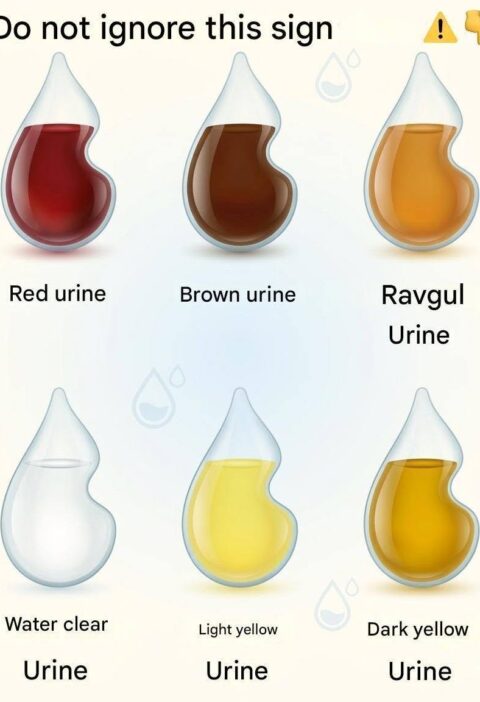
- Dark urine and pale stools: These can accompany jaundice.
Many of these signs can also be caused by other medical conditions, and some people with liver disease have no noticeable symptoms, especially in the early stages.
If you notice jaundice, unexplained abdominal swelling, confusion, vomiting blood, or black, tarry stools, seek urgent medical evaluation.
If you have milder but persistent symptoms—such as fatigue, itching, or swelling—it’s a good idea to see a healthcare professional. They may recommend blood tests and, if needed, imaging to determine whether your liver is affected.
The only reliable way to diagnose liver disease is through a combination of your medical history, physical examination, laboratory tests, and sometimes imaging or other specialized tests—not by visible signs alone.