If you’re fact-checking “Top 8 Fruits That May Help Support Your Body’s Natural Blood Clot Management,” the wording is important: fruit can be part of a heart-healthy diet, but no fruit has been proven to dissolve an existing blood clot or replace anticoagulant treatment.
A diet rich in varied fruits and vegetables is associated with better cardiovascular health, and staying adequately hydrated and physically active can help reduce some clot-risk factors.
P
professional.heart.org
+2
Some fruits commonly mentioned in these posts include berries, oranges, apples, kiwi, grapes, pomegranate, pineapple, and cherries. They contain fiber and various plant compounds, but evidence that eating them directly prevents or treats dangerous blood clots is not strong enough to call them “natural blood thinners.”
An important medication warning
If you take warfarin, don’t suddenly change your diet based on a “blood-thinning foods” list. Vitamin K and certain foods can alter warfarin’s effect, so consistency is important.
W
www.heart.org
+1
Grapefruit and cranberry products can also interact with warfarin, and grapefruit interacts with several other medications.
W
www.heart.org
+1
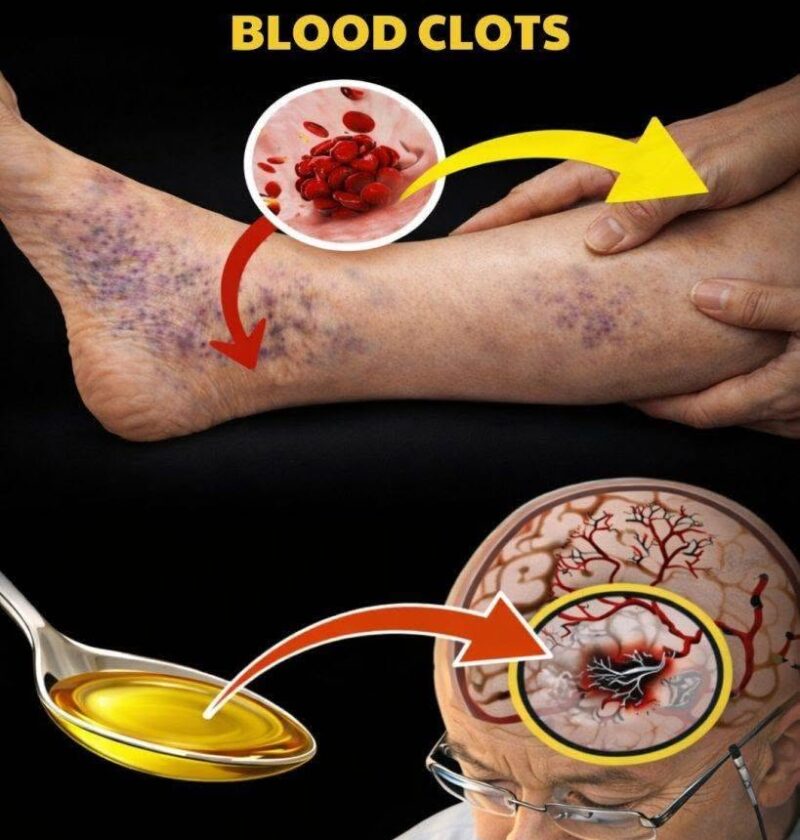
And if you have symptoms of a possible DVT or pulmonary embolism—such as sudden one-sided leg swelling/pain, or sudden shortness of breath and chest pain—don’t try to treat it with fruit. Blood clots can require urgent medical treatment.
N
nhs.uk
+1
Bottom line: Eating a variety of fruit is a healthy habit, but calling eight fruits “blood-clot management” foods can give a false impression that diet can treat an actual clot.
P
W
N
Sources