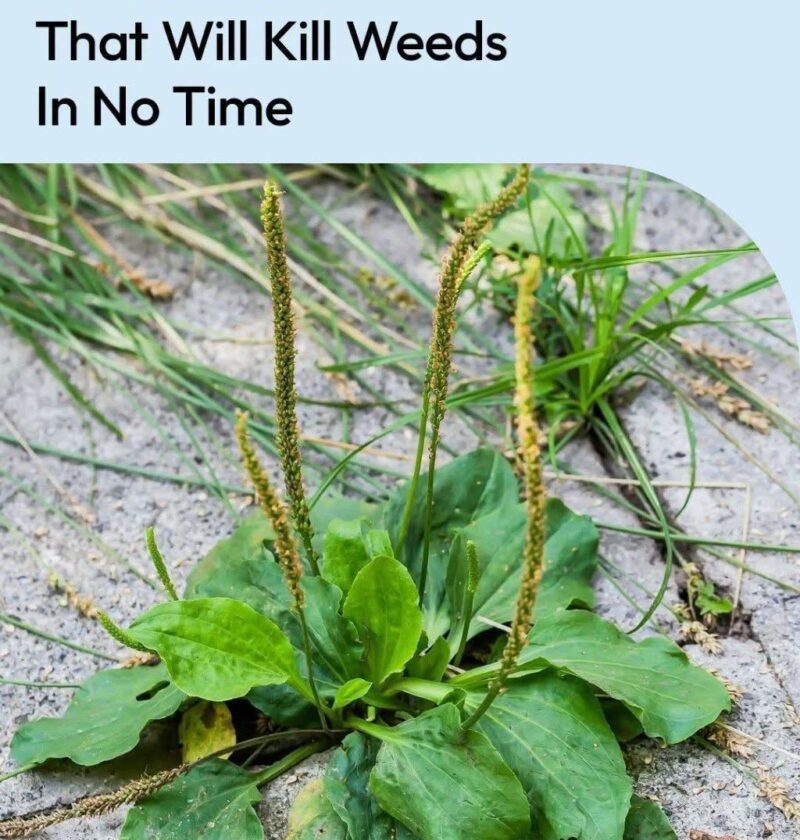
Yes, vinegar can kill some weeds, but there are important limitations.
🌱 How vinegar works on weeds
Vinegar contains acetic acid, which can damage plant tissues by drawing moisture out of leaves. It works mainly as a contact herbicide—meaning it burns the parts of the plant it touches.
⚠️ The catch
- It usually doesn’t kill the roots. Many weeds can grow back, especially deep-rooted perennials like dandelions.
- Household vinegar (around 5% acetic acid) is often too weak for tough weeds.
- Stronger horticultural vinegar (higher acetic acid concentrations) can work better but requires careful handling because it can irritate skin and eyes.
- It is non-selective—it can harm grass, flowers, vegetables, and other plants if sprayed accidentally.
- Repeated use can affect soil organisms and may change soil conditions.
If you use vinegar:
- Apply on a dry, sunny day so it stays on the leaves longer.
- Avoid windy conditions to prevent drift onto desired plants.
- Be careful near lawns, garden beds, and young plants.
More effective long-term weed control:
- Pull weeds after rain when roots loosen.
- Mulch garden beds to block sunlight.
- Use targeted weed control methods appropriate for the specific weed.
So, vinegar can be a useful short-term weed burner, but it is not a guaranteed, permanent weed killer.