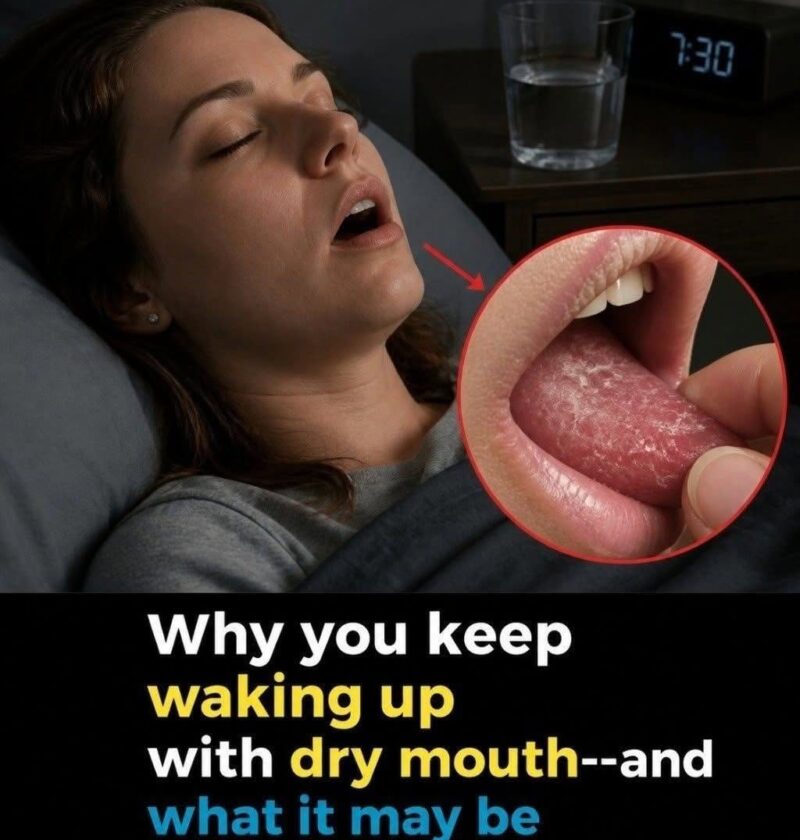
The headline “Waking up with dry mouth? Here’s what your body might be telling you” is a common health-content style headline. It has some truth, but it can make a normal symptom sound more alarming than it is.
Waking up with a dry mouth can happen for several reasons, including:
- Breathing through your mouth while sleeping, often due to a blocked nose, allergies, or congestion.
- Snoring or sleep apnea, where disrupted breathing during sleep may lead to mouth breathing.
- Not drinking enough fluids, especially after a day of sweating, exercise, or alcohol intake.
- Medications that reduce saliva production (many allergy medicines, some antidepressants, and other drugs can do this).
- Smoking or alcohol use, which can dry the mouth.
- Certain health conditions, such as diabetes or disorders that affect saliva production.
Things that may help:
- Drink enough fluids during the day.
- Address nasal congestion if present.
- Avoid excessive alcohol close to bedtime.
- Use a humidifier if the air is very dry.
- Maintain good oral hygiene, since low saliva increases the risk of cavities.
It’s worth getting medical advice if dry mouth is persistent, especially if it comes with:
- Excessive thirst or frequent urination.
- Difficulty swallowing.
- Mouth sores or frequent dental problems.
- Loud snoring, choking/gasping during sleep, or severe daytime sleepiness.
So, the headline is partly accurate: dry mouth can be a clue about habits, sleep, medications, or health conditions—but it is often caused by simple and manageable factors.