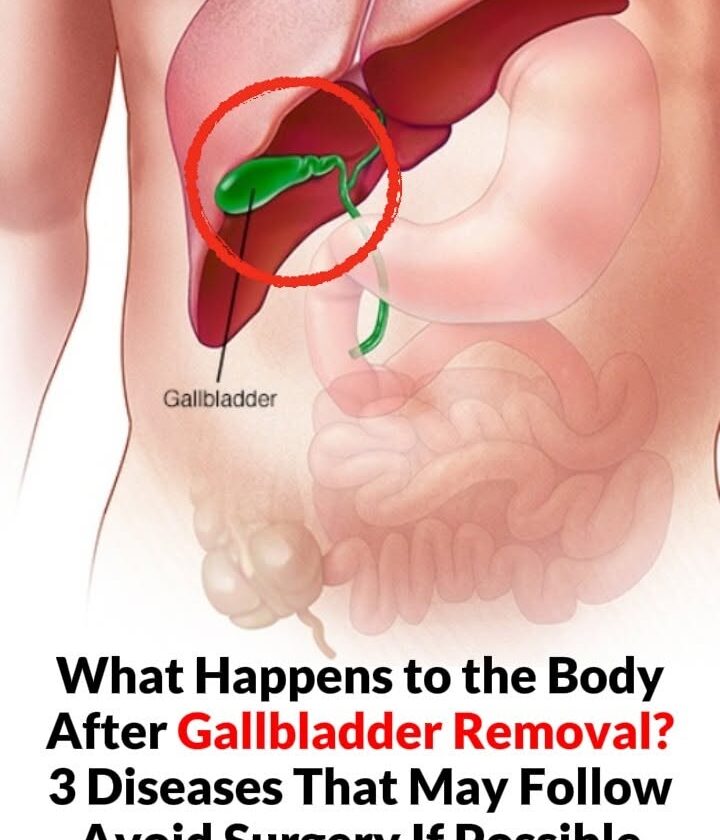
What Happens to the Body After Gallbladder Removal?
Gallbladder removal surgery (called a cholecystectomy) is one of the most common abdominal operations. It is often recommended for symptomatic gallstones, repeated gallbladder inflammation, or other gallbladder problems.
Many people recover well and live normal, healthy lives without a gallbladder. Claims that surgery commonly causes several serious diseases are misleading.
What Does the Gallbladder Do?
The gallbladder stores and concentrates bile made by the liver. After you eat, it releases bile into the small intestine to help digest fats.
After removal:
- The liver still produces bile.
- Bile flows directly into the small intestine instead of being stored.
- Most people digest food normally after recovery.
Common Changes After Surgery
Some people experience temporary digestive symptoms, especially in the first few weeks or months, such as:
- Diarrhoea
- Bloating
- Gas
- Loose stools after fatty meals
These symptoms often improve over time as the body adapts.
Possible Long-Term Issues
Most people do not develop major long-term health problems because of gallbladder removal, but some may experience:
1. Ongoing Diarrhoea
A small percentage of people have persistent diarrhoea due to bile reaching the intestine more continuously. This can often be managed with dietary changes or, if needed, medication.
2. Bile Reflux or Indigestion
Some people continue to have upper abdominal discomfort or indigestion after surgery. These symptoms can have several causes and should be evaluated rather than assumed to be due to the operation.
3. Post-Cholecystectomy Syndrome
A minority of patients have persistent abdominal symptoms after surgery. This is a descriptive term rather than a single disease and may be due to digestive changes or an unrelated condition that was present before surgery.
Does Gallbladder Removal Cause Other Diseases?
There is no strong evidence that gallbladder removal routinely causes serious diseases such as diabetes, dementia, or widespread organ damage.
Some studies have found associations between gallbladder removal and certain health conditions, but an association does not prove that the surgery caused them. People who need gallbladder surgery may already have other health factors that influence these risks.
Can Surgery Be Avoided?
It depends on the reason surgery is being considered.
If gallstones are not causing symptoms, treatment is often not needed.
However, if you have:
- Repeated painful gallstone attacks
- Gallbladder inflammation
- Gallstones blocking a bile duct
- Gallstone-related pancreatitis
gallbladder removal is often the most effective treatment and can prevent serious complications.
Trying to “dissolve” gallstones or relying on home remedies is usually not effective for most people and may delay appropriate care.
Recovery Tips
After surgery, it may help to:
- Eat smaller, more frequent meals at first.
- Reintroduce fatty foods gradually.
- Stay hydrated.
- Follow your surgeon’s recovery instructions.
- Contact your healthcare team if symptoms are severe or persistent.
When to Seek Medical Advice After Surgery
Contact a healthcare professional if you develop:
- Fever
- Increasing abdominal pain
- Yellowing of the skin or eyes (jaundice)
- Persistent vomiting
- Severe or prolonged diarrhoea