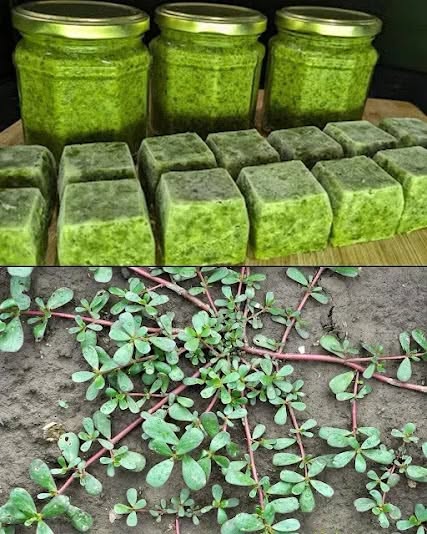
This is another “viral superfood” style headline. The plant it’s talking about is Purslane.
It’s actually a real edible plant with some nutritional benefits—but the dramatic “what happens to your body” framing is usually exaggerated.
What purslane actually contains
Purslane is nutrient-dense and includes:
- Omega-3 fatty acids (ALA) – higher than many leafy greens
- Vitamin C
- Vitamin A (beta-carotene)
- Magnesium and potassium
- Antioxidants
Possible effects of eating it regularly
1. Better nutrient intake
- Adds extra vitamins and minerals to your diet
- Can support general nutrition, especially in plant-based diets
2. Mild anti-inflammatory support
- Omega-3s and antioxidants may help reduce inflammation over time
3. Heart health support (indirect)
- Nutrients like potassium and omega-3s are linked to cardiovascular health in general diets
4. Hydration support
- It has a high water content, like many leafy greens
What it does NOT do (despite viral claims)
- It does not “detox your body”
- It does not rapidly lower cholesterol or cure disease
- It does not replace medication or a balanced diet
- It is not a “superfood cure-all”
Possible downsides if eaten daily in large amounts
- Contains oxalates, which may contribute to kidney stones in susceptible people
- Can cause mild digestive upset if overconsumed
- May interact with certain conditions if eaten excessively (rare in normal food amounts)
Bottom line
Purslane is a healthy edible green with good nutrients, but its effects are supportive, not dramatic or medical-grade transformations. It’s best viewed as part of a balanced diet, not a daily “miracle food.”
If you want, I can compare purslane with spinach or chia seeds so you can see where it actually stands nutritionally.